WA reef packing guide
A no-nonsense packing list for the WA reef, with some local advice for Ningaloo, Coral Bay and Exmouth as well as what to have on hand for a day on the boat.
There are certain things you cannot do without when packing for the reef in Western Australia: sun protection of the right sort, swim gear that is kind to the reef, water in sufficient quantities, something to keep your equipment from being salted or soaked, and footwear to stand up to coral and boat ramps. Be it a light day at Rottnest Island or a trip to the Abrolhos Islands, Exmouth, Coral Bay or Ningaloo Reef, you will want to be prepared for wind, glare and salt, not to mention the distance between one shop and the next.
Joel Whitlam here. Put me at a visitor-centre counter and I will tell you this: a reef outing is seldom put out by an absence of anything glamorous, but forget the more mundane items and you will be made uncomfortable enough. Planning the trip around the optimal timing for WA reefs is crucial. A good rash guard, some reef-safe sunscreen, a reusable bottle and a pair of water shoes for the reef country will serve you better than any fancy camera. And do not leave the motion sickness tablets at home.
What is Important
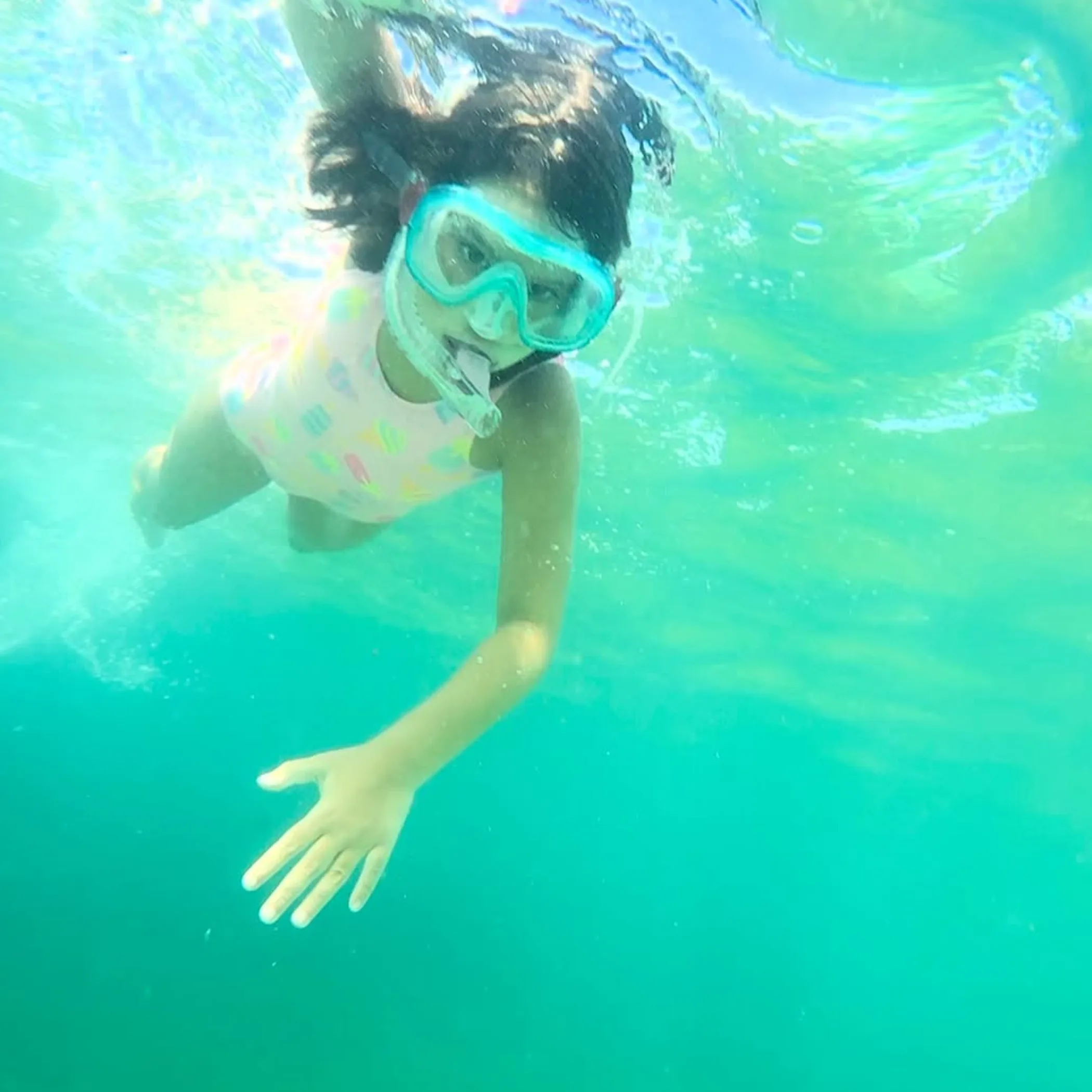
You would think from the brochure that a day on the reef in Western Australia is all relaxation. The reality is early rising, wind with little notice, and gear that becomes wet and sandy and a bit of a mess under a sun that is as bright as a mirror. My take on it is straightforward: put protection before comfort and photos last.
It is not the reef that gets people. It is the surroundings. The run out to the boat with its spray, the lack of shade in Coral Bay, Exmouth’s car parks baking in the heat, and then finding the shops have neither the quality nor size you need once you get there. That is why it is worth having a decent packing list for Ningaloo or Exmouth in order before you depart.
Intended Audience
We have put together this guide for the self-drive traveller, the family, first-time snorkellers and those on a boat trip who are after a couple of sessions in the water rather than an expedition in full dive mode. For specialist fishing charters, remote liveaboards or technical diving you will require your operator’s kit in addition.
Say you have a single day to make count: get a hat, a dry bag for the boat, SPF 50 that is reef safe, plenty of water and a mask that does not leak. You can manage without some superfluous extras. But you will not be able to put up with sunburn, dehydration or shoes that let the broken coral cut into your feet.
Gear Worth Having
If you are going to be using your snorkelling equipment for ten minutes or more in comfort, it is good gear. A leaking mask renders the finest fins useless; and while hire equipment is often adequate, it has a habit of fogging, chafing your face or fitting like a saucepan lid. If you have something of your own that fits, bring it along.
Then there is the matter of how you get in the water. Some of the Exmouth and Abrolhos Islands excursions are from the boat and more exposed, whereas shore snorkellers are well catered for at Coral Bay and Ningaloo Reef. Make sure your kit is suited to that.
Your Snorkel Kit
- A mask with a seal you can trust
- A familiar snorkel
- Fins (your own, if the tour does not put them on or you have a preference)
- Rash guard / long-sleeve top
- In the warmer months a stinger suit is an option in WA
- Water shoes for the odd bit of coral rubble or a boat ramp
- Microfiber towel
- Dry bag
Do not make the mistake of thinking every operator has the same stock. Quality and fit are not guaranteed with the basic stuff they put out, and you are not going to find a floating room of equipment on a shore-based day. Do yourself a favour and check before you fly to Exmouth; replacing things there is limited and not cheap.
Bare Feet Or Reef Shoes?
Leave the thongs and old runners at home and forgo the foolhardy barefoot approach. Between the hot sand, the algae on the rocks, the ladders on the boat and the shells and coral, they will put a damper on your day. In the shallows of parts of Ningaloo or Coral Bay where the ground is uneven and littered with broken coral, reef shoes are a must. On the rocky edges of Rottnest Island they come in handy too, even if some of the beaches are more forgiving than up north.
And on the WA coast you do not have to worry about the UV mucking about with you.
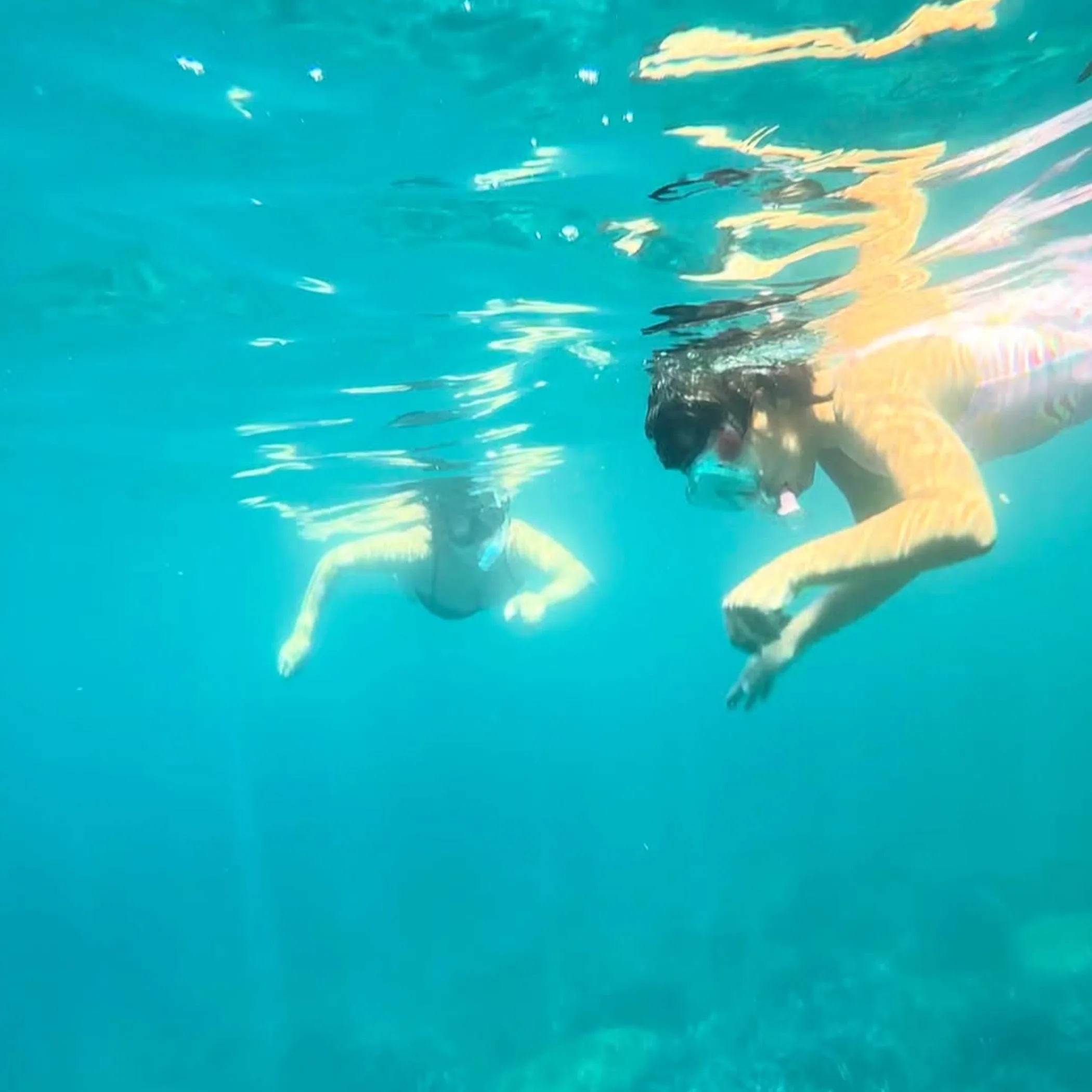
The sun will put in enough work to scorch the back of your calves, the top of your feet and that bit of neck you have not thought of in years, even when it is a cool or windy day. Joel Whitlam has no time for spare clothes before he has his sun gear stowed.
Then there is the matter of what you think you will do and what actually happens. One is inclined to believe they will be putting on sunscreen every couple of hours as per the book; in fact you are apt to be preoccupied with some turtles, overlook a spot and only find out in the shower. Hence the value of covering up is on a par with the bottle.
What To Pack For Cover
There is a rash guard, a light overshirt for when you are on the boat, polarised sunglasses with a strap to hold them on and a hat with a good brim. All of them do their job. You still want a reef-safe or eco-friendly sunscreen but as a backup for any skin left out, not your sole means of protection. For long days outside, an SPF 50 broad-spectrum is the sensible option for face and body. Since “reef-safe” is not a term the law has standardised in all places, look at the ingredients and go with something that is well marketed as eco-friendly and has water resistance to speak of. Those with sensitive skin should patch-test prior to the trip, not once you are in Exmouth on the first day.
The Bureau of Meteorology will tell you UV in Australia can be extreme so full-day excursions on the water call for some planning. It is advisable to run through the marine forecasts and UV with the Bureau, in Western Australia’s more exposed spots in particular.
Boat And Beach Attire
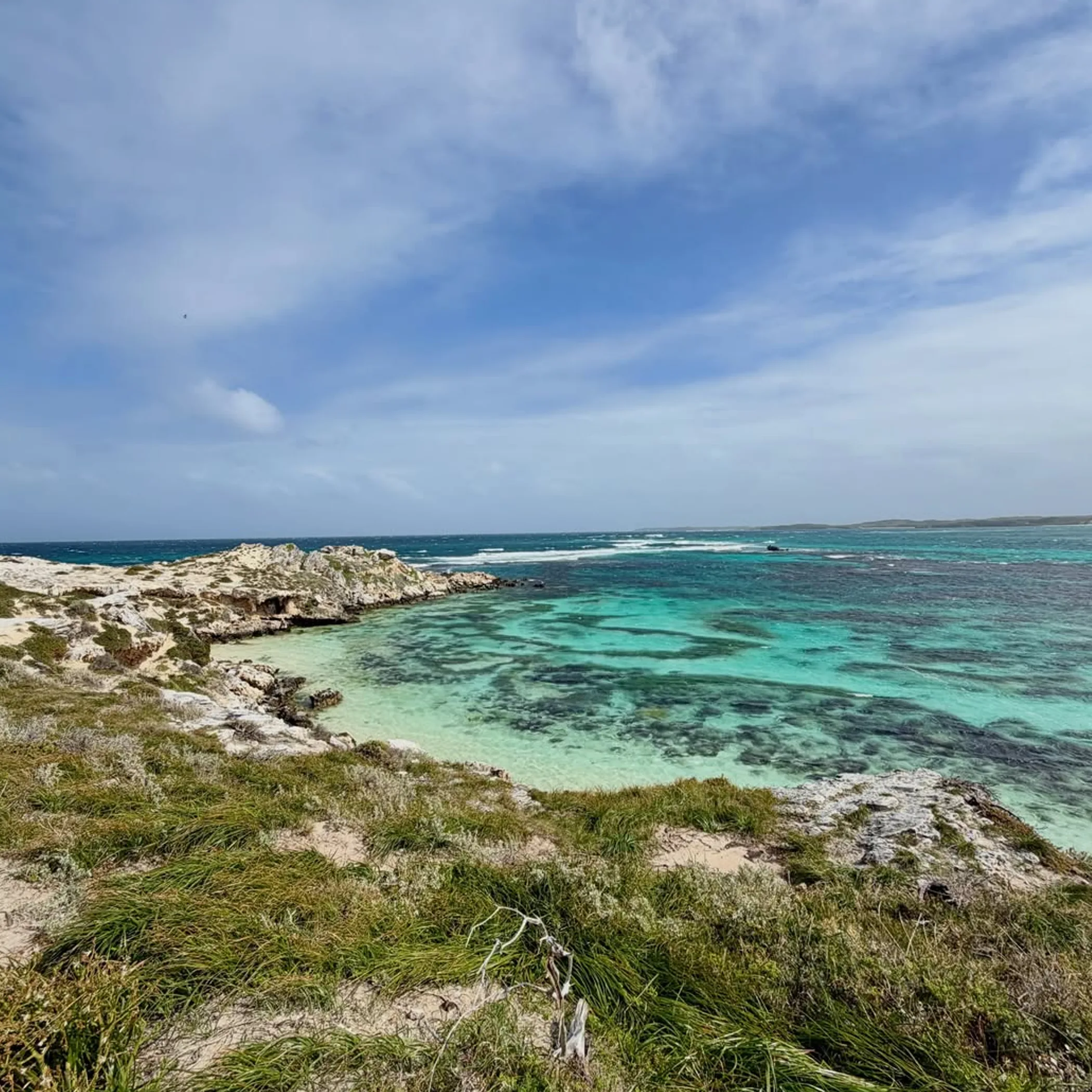
Reef travel does not require an extensive wardrobe, just the proper layers. An afternoon may be hot as guts but the deck of the boat on the way out is another story. And if you put dry clothes over wet ones the ride home becomes a chafing experience.
Joel Whitlam is for better fabrics and fewer outfits. Light things that dry quickly are what you want; heavy cotton will be salty and wretched in short order.
Layering done simply
One set for the water, a dry one for after and an extra warm layer for the boat or the drive back. A zip hoodie or a thin fleece might seem a touch absurd in the morning until the wind changes in the afternoon and you are glad of it. As for shoes, have sandals for the beach, reef shoes for in the water and an enclosed pair for travelling or an evening stroll. Flat-thin sandals will not cut it if you are scrambling over rocks or using a marina ramp.
Health And Safety
Most will skim this part until called for. A reef trip is normally uneventful but you are on a boat or an hour from a chemist and a minor thing can escalate. Joel Whitlam has seen a perfectly good day go wrong over nothing that could not have been avoided.
By city measures the WA reefs are remote. In Exmouth or Coral Bay you do not want to come to the conclusion you have left your prescription or seasickness remedies behind. Make sure they are in order before you go.
Things To Put In Your Plan
Put in motion sickness tablets even if you are “usually fine”. On a ferry you are usually fine, off the Ningaloo coast in a chop with a meagre breakfast you may not be. First time on a reef boat? Assume the worst and pack for it.
Marine stingers are more of a concern in the north and warmer waters than anything to fret over, but then again a stinger suit or a long-sleeve rash guard with leggings gives you cover from the sun and abrasion and what else comes your way in the water. Have a basic first aid kit with antihistamines, blister patches, pain relief, lip balm with an SPF and whatever water-resistant dressing is required.
Know your limits too. With a current running and rough footing some reef entries are not for the beginner. If in doubt let someone guide you to a lagoon or do not make a show of it because the rest are being casual.
Tech And Boat Storage
Salt water will make its way to the zip you did not shut. Reef travel is not about having all the gadgets but making sure you can get at what is dry and charged without much fuss. Joel Whitlam prefers to avoid the rummaging while the boat is heaving about.
Have a plan for your phone, keys, cards, medications and any travel papers. All too often one hears “I will put it in the backpack” and the result is a soggy passport or a camera lens with condensation on it and a charger that has given up.
Gear to have with you
There is no better value in the whole kit than a dry bag when you are on a boat. A waterproof pouch for the phone, a power bank with its cable, a spare memory card for an underwater rig and a water bottle of your own (labelled) so as not to be left with another person’s tepid one are all worth including.
For those doing their own driving, stow some backup snacks, a towel and a complete change of clothes in the car. In peak times the reef access at Exmouth or Coral Bay will be taken early; once you have put in for a parking space you are unlikely to want to move the car to run an errand.
Packing for the Reef
A little courtesy goes a long way before you even enter the water. To be good reef etiquette, pack light and eschew single-use items. It is less of a nuisance and keeps car parks and beaches free of detritus. Joel Whitlam would not put it past anyone to think they are being a hero by after a plastic wrapper down the ramp of a boat, but he does not need to make a point of it.
Opt for gear with a dual purpose. The rash guard means you do not have to put as much sunscreen on what is covered. A microfiber towel is a quick drier and more compact than the bath sheet many come to regret. And a reusable bottle is good for the wallet as well as cutting down on waste.
Some simple eco moves
Toiletries that can be refilled, a container for lunch on self-drive days, a bag for your rubbish and wet gear. Do not stand on the reef where life is attached or touch the coral, and do not be under the impression that because something is “natural” it is harmless to the environment. Eco claims are open to interpretation so apply common sense and keep what washes into the water to a minimum.
Local conditions and the season
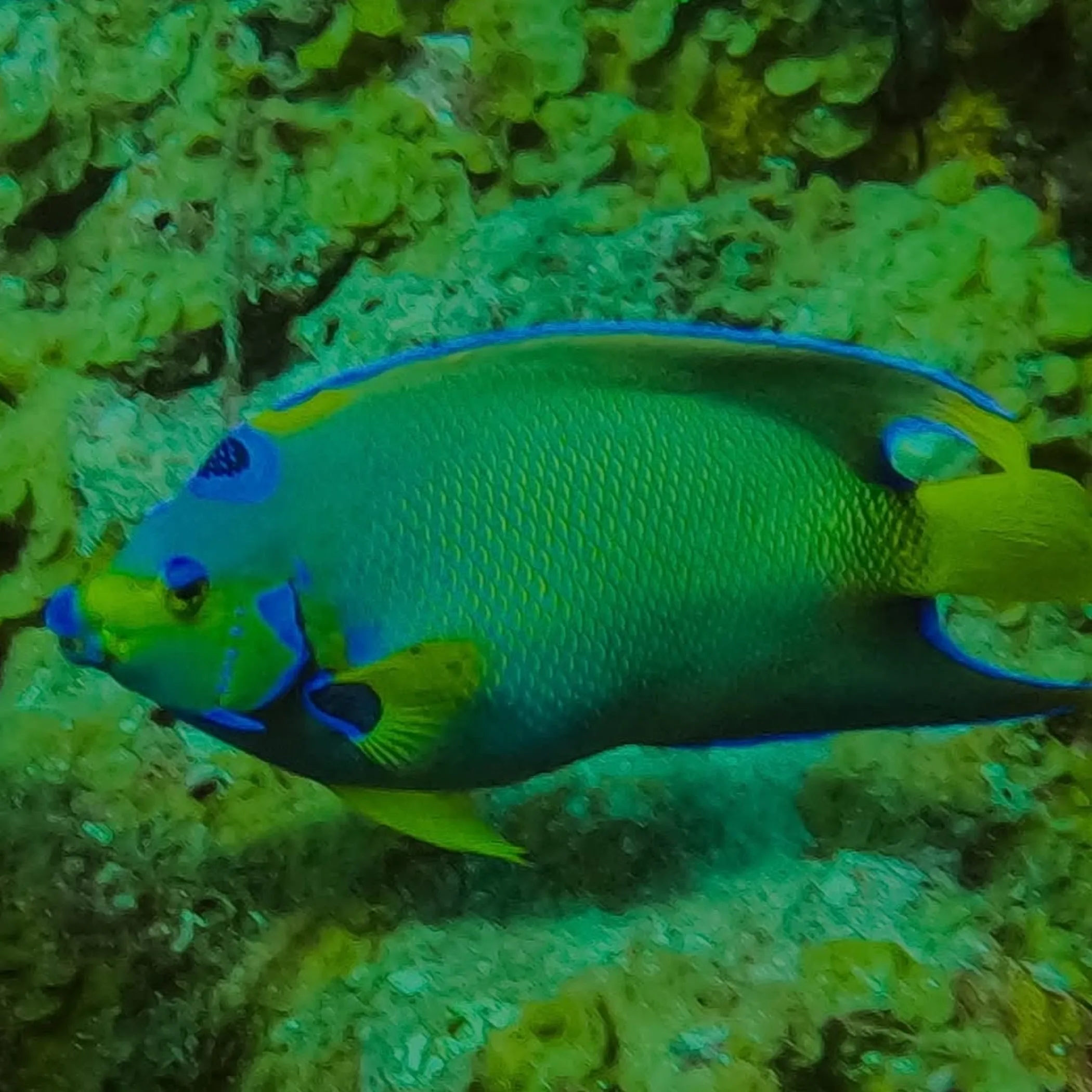
How tolerant you are of wind, heat and other people will dictate the right time to be on a WA reef, as will your mode of access. There is no one month that is ideal for every reef in Western Australia. Joel Whitlam would say the shoulder periods tend to offer a good compromise of comfort and access. When timing a visit to the WA reefs, look at the local trade-offs: the state of the roads, school holidays, marine life and whether you are in a boat or shore snorkelling, rather than some magic date.
What you will find on the ground
The north-west of Exmouth, Coral Bay and Ningaloo will see the sun and heat in full force in the warmer months and a greater awareness of cyclones. You may be more at ease on land in the cooler part of the year but the water and wind will be a factor for an extended snorkel. One day to the next a shore entry at the same spot can be a different experience and boat operators will alter plans for the sea state.
You could not be more dependent on the weather at the Abrolhos Islands than on a casual day at the beach in Coral Bay. Rottnest is a simple enough addition to a Perth trip but the swell and wind will still have their effect. People are prone to the error of thinking the photos they see online are par for the course; usually they are from one particularly fine day.
| Reef Area | Access Style | Extra to Pack | For Whom |
| Ningaloo Reef | Shore and boat | Reef shoes, rash guard, dry bag, extra water | Families, snorkellers, mixed experience levels |
| Exmouth | Self-drive plus tours | Car snacks, spare clothes, strong sun gear, phone charger | Independent travellers and day-trippers |
| Coral Bay | Easy beach access and tours | Water shoes for reef, hat, compact day bag | Beginners and relaxed holidaymakers |
| Abrolhos Islands | Mainly boat or air-charter based | Motion sickness tablets, dry storage, warm layer | More prepared travellers |
| Rottnest Island | Ferry, bike, beach access | Bike-friendly bag, refillable water, sandals plus reef shoes | Short-stay visitors and Perth side-trips |
Then there is the matter of cost. A self-drive trip to the reef is generally cheaper than making a habit of buying gear at the last minute. Allow for the prices of convenience, fuel and food in Exmouth and Coral Bay to be at a premium over Perth. Make sure your packing list for Exmouth or Coral Bay has the unexciting essentials from home and put the budget towards a good meal post-swim, fuel and the odd tour.
A Checklist for Your Use
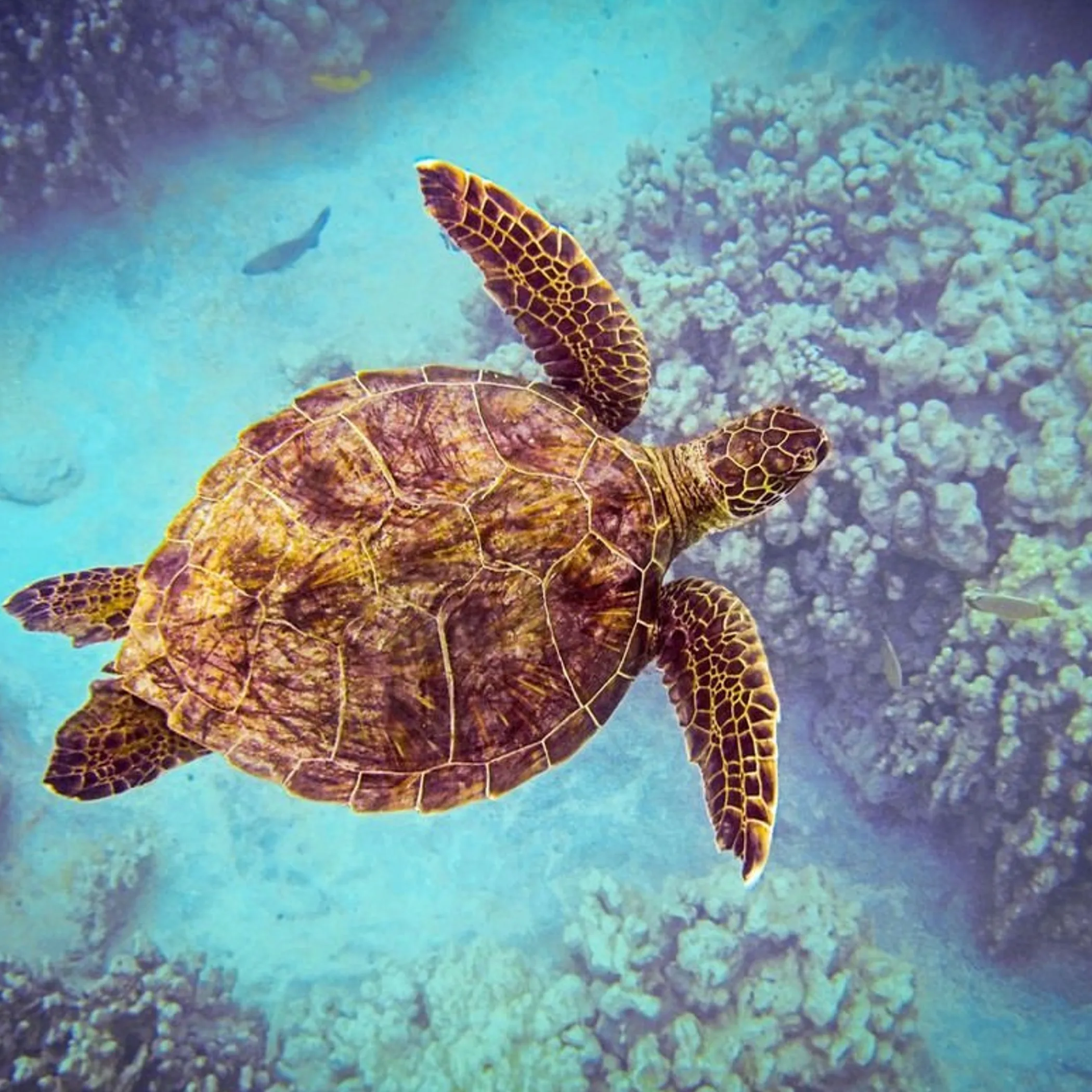
You will want to print or take a screenshot of this. Joel Whitlam would have you make it a short list that is there the night before you leave, not some spreadsheet of epic proportions that no one has the inclination to read. Make a division between the gear in your main bag and what you are keeping close at hand.
For those on a plane, put your medications and a complete swim outfit in the carry-on. Luggage does get lost and it is an irritation in any port of call; in a reef town where stock is thin it can be costly too.
- Carry-on: phone and wallet, chargers, prescriptions, a hat, sunglasses, swimmers and rash guard, sunscreen (reef-safe), motion sickness tablets, a change of clothes, basic toiletries, a reusable bottle of water.
- Checked Luggage Or Main Bag: fins, mask and snorkel (if you are taking them), reef shoes, a microfiber towel, dry bag, first-aid, insect repellent for the evening, sandals, some snacks, a laundry bag for wet things and other swimwear.
The One-Day Priority
A quick stop at the reef from Exmouth or Coral Bay, or a single day at Ningaloo, should not be made complicated. Take a good mask, reef shoes, something to wear in the sun, your water and food so as not to end up a sour souvenir shopper come 2 pm.
Some Packing Questions
One hears these over and over. A few are of use, others are wishful thinking, but they all warrant a plain answer. Whitlam is of a practical bent: follow the rule if it serves you, otherwise local conditions may render it foolish.
5 4 3 2 1 Rule For Packing?
A minimalist’s way of looking at it: 5 tops, 4 bottoms, 3 pairs of shoes, a hat or jacket and 2 of either a dress or swimsuit, give or take. Not much use for reef travel where function trumps fashion, particularly when it comes to sun gear and layers that will dry off.
The 3-5-7 Rule?
Yet another simple approach, whether you pack three days’ worth or seven key pieces is down to who is telling you. On a WA reef trip consider it a guide to start with. You are better off packing by category – your health items, dry storage and water gear – than trying to count outfits.
Can you do Australia for 2 weeks on 3000 AUD?
It is a matter of how you set about it. Without the cost of an international flight and if you are happy with budget lodgings and some self-catering, 3000 AUD will do for one person in some parts of the country. But for a WA itinerary centred on the reef with domestic flights, a car and the fuel for remote areas, let alone accommodation in Exmouth and tours, it will be a squeeze. The boat tours will make a dent in the figures.
What to have in your bag for a tour of Australia?
The national essentials are fairly wide ranging: documents, power gear, a sturdy pair of shoes, meds, a water bottle, clothes in layers and sun protection. In the reef country you must add a microfiber towel, water shoes, a dry bag for the boat, SPF 50 that is reef-safe and your snorkelling kit.
Is a stinger suit necessary in WA?
Not of necessity, though for a long session in the water or for comfort where stingers are in season it has its merits. Most will make do with leggings and a long-sleeve rash guard. If you are prone to burning or the cold however, a stinger suit is a wiser purchase than to rue it later.
Before you head out
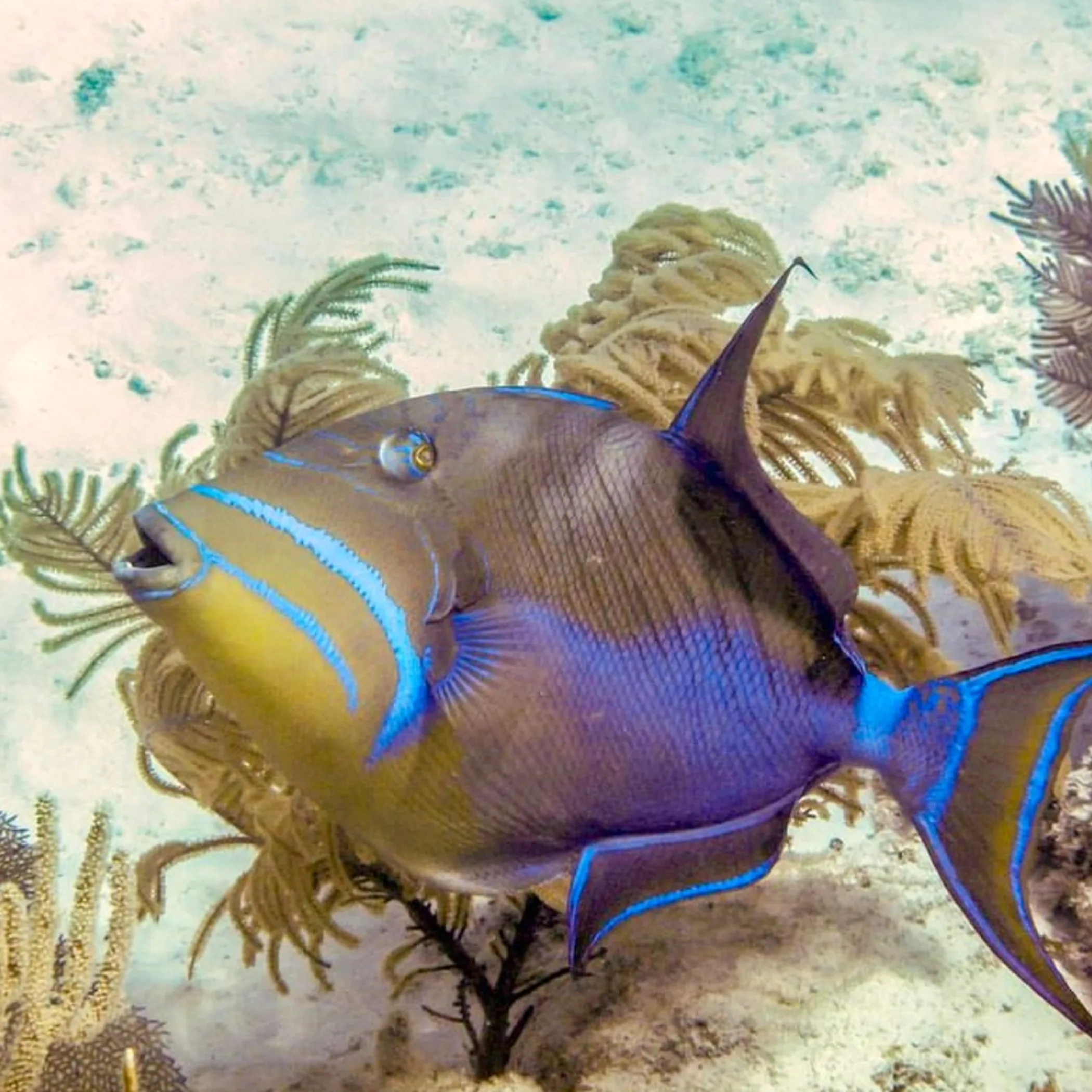
Still in doubt as to what to put in your bags for a WA reef excursion? Pack for the wind, the salt, the distance from a shop and the sharp edges. Whether it is for Ningaloo, Coral Bay or Exmouth, a good list is not about having more gear but having the right thing to preclude a half-day of drama over some minor inconvenience.
Whitlam’s parting words are not exactly glamorous. See that your mask is in order. Have more water on hand than seems necessary. Proper reef shoes. And a dry set of clothes to fall back on. Do not think a “quick” visit to the WA coast will be anything of the sort. It seldom is, which is why you are there in the first place.
