The issue of Dermatology Vs Medical Aesthetics in Australia can be reduced to a matter of practicality: is a medical diagnosis required, or a cosmetic one, or the two? Dermatologists are specialists by way of their doctor training who will diagnose and put in place management for skin, hair and nail conditions. The purview of a medical aesthetics provider tends to be more appearance oriented with things like injectables, laser work, chemical peels and facial rejuvenation.
Joel Whitlam here. I put pen to paper on skincare and wellness in no‑nonsense terms; there is no pretending a miracle cream has all the answers. Put simply, if you have a skin concern that is unexplained, will not go away or could be serious, make an appointment with a dermatologist. For cosmetic objectives that have been properly evaluated, a competent medical aesthetics provider is the way to go. In some instances having both is the prudent thing to do.
The Main Difference

In Australia, dermatology is about the medical care of skin conditions and any disease that is suspected. Medical aesthetics is largely elective, for the purpose of altering or bettering one’s looks, though even then a qualified practitioner will want to rule out medical risks.
There is considerable overlap. You will find a dermatologist offering what might be called cosmetic dermatology services in Australia, from scar management to laser treatment and injectables. An aesthetic doctor can be of service with your cosmetic needs but that does not in itself make him or her a dermatologist. It is the training, registration and whether they know when to investigate a problem medically that counts, not the title. This distinction can help when locating certified aesthetics providers.
Medical And Cosmetic Care
A medical dermatologist is the one to see for acne, eczema, psoriasis, rosacea, infections, hair loss, pigmentation changes, suspicious moles or lesions and possible skin cancer. He or she may put you on prescription medication, do a procedure or biopsy, or refer you on.
Wrinkles, scarring, uneven texture, hyperpigmentation and facial volume are the stock in trade of medical aesthetics providers. They offer dermal fillers, anti-wrinkle injections, microneedling, resurfacing and so on. Do not assume because it is done in a clinic as opposed to a hospital the risk is low. Skin is still part of a person and a needle is a needle.
What Dermatologists Treat
When ordinary treatment has failed, symptoms are on the up or the origin of the problem is in doubt, a dermatologist is the strongest option. Their background is in clinical diagnosis and long term monitoring as well as procedural care and prescriptions.
To become a specialist in Australia one must have completed medical training and then the requisite education and assessment in dermatology. Those looking at dermatologist qualifications in Australia would do well to verify the practitioner is registered and endorsed and not take the word of a clinic’s advertising for it.
Services You Will Find
This can range from skin cancer checks and the treatment of acne, eczema, psoriasis and infections to consultations on hair and nails and the odd cosmetic procedure. If a mole or lesion calls for a closer look a dermatologist will carry out a biopsy. That is a diagnostic ability you will not get at an appointment focused on looks alone. A lesion that is changing should not be put down to a cosmetic blemish without a qualified opinion.
For general knowledge on skin conditions there is DermNet Australia, but do not let an online photograph or symptom checker stand in for an examination. Several conditions can be deceptively alike and a mark that seems harmless might warrant a prompt review; skin is not always forthcoming.
Medical Aesthetic Treatments
These non-surgical or minimally invasive procedures are meant to make a difference to your appearance. Reputable clinics will want to know your medical history and goals and do a skin assessment before they put a menu in front of you and indicate the priciest option.
Your results will be dictated by the practitioner, your skin type, sun exposure, aftercare and the like. Be realistic: a good plan may call for more than one visit and some maintenance, and there is often a time when you are worse for wear before you are better.
What is on offer at the clinic
You will come across anti-wrinkle injections and dermal fillers. Laser skin treatments can be applied to vessels, hair, texture or pigmentation provided the right device and settings are used for the skin type. There are also chemical peels and microneedling for scarring and the like.
They are not the same thing. Fillers give you volume and shape, an anti-wrinkle injection is to stop certain muscles from moving. A laser can be of help but in the wrong hands it can aggravate pigmentation in susceptible skin. Any consultation ought to set out what is to be gained, where the limitations lie and what else is available.
Compare Training And Safety
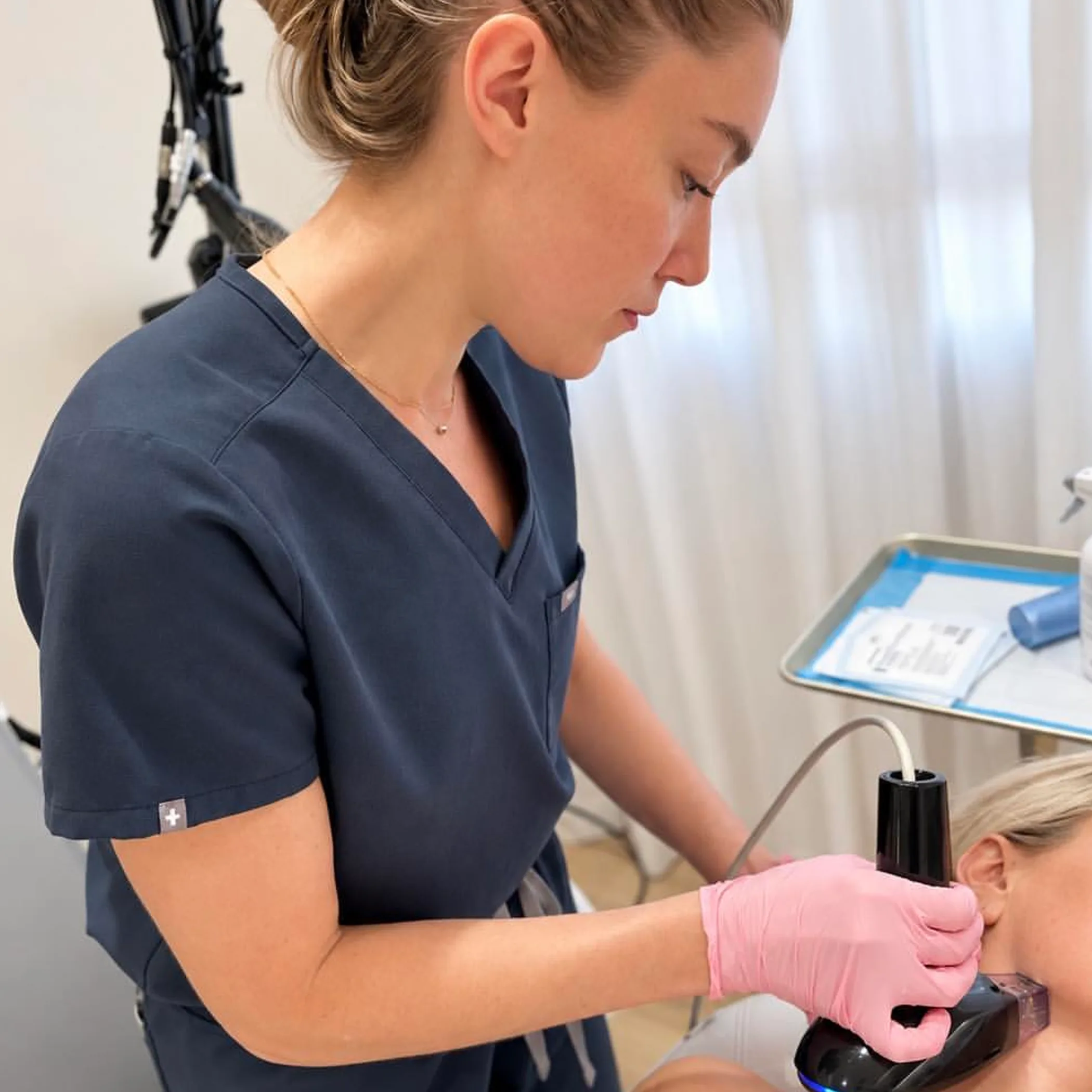
Make sure your decision is informed by an eye for qualifications, safety and proper diagnosis. You will not find evidence of clinical competence in a well-appointed waiting room, lighting that is to your advantage or a social media page replete with before and after pictures.
Any medical practitioner in Australia has to be registered in accordance with the requirements. While AHPRA registration is where one would begin, it is also necessary to verify the person’s profession and specialist standing, their experience in the treatment on offer and that there is emergency support at hand.
| Dermatology | Medical Aesthetics |
|---|---|
| Purpose | To diagnose and put in order skin, hair and nail conditions Procedures and skincare to meet appearance objectives |
| What you might present with | Acne, eczema, psoriasis, lesions, infections, a case of suspected skin cancer Wrinkles, scarring, pigmentation, texture, volume loss |
| The assessment | A review of medical history, examination and diagnosis, tests or referral as required Skin assessment, medical history and whether you are suited to the plan |
| Treatment options | Prescription, biopsy, surgery, monitoring or light-based Peels, injectables, microneedling, laser and resurfacing |
| When to go first | If the skin problem is unexplained, painful or changing Once medical risks are out of the way and you have a clear cosmetic aim |
Is Not A Guarantee
Registration affords a measure of professional accountability under Australian law but no assurance of outcome. The TGA (Therapeutic Goods Administration) is the body that regulates therapeutic goods and will have information on advertising and product standards, yet they cannot vouch for a treatment being right for you.
It is as well to put some questions to the practitioner: who is to do the procedure and with what device or product? How are complications and aftercare handled? An informed consent should make clear any side effects or contraindications, what alternatives exist, how much downtime to expect and the chance that nothing may improve.
A quick way to test the waters is to compare three things before making a booking: the cost in Australian dollars, how many appointments are put forward and the registration status of the practitioner. These numbers will not ensure a flawless result but they have a way of putting an end to vague promises.
Match Your Concern With The Provider
Do not be guided by what you see on the internet; the problem dictates the provider. Where there is a diagnosis to be made or a condition suspected, medical care is the place to start. For cosmetic ends on healthy skin a suitably qualified aesthetics provider will do. If you are unsure a general practitioner can make an assessment and refer you if need be. This is prudent when faced with bleeding, a lesion unlike your others, unexplained pain, spreading redness, infection or sudden hair loss.
| Dermatology | Medical Aesthetics |
|---|---|
| Purpose | To diagnose and put in order skin, hair and nail conditions Procedures and skincare to meet appearance objectives |
| What you might present with | Acne, eczema, psoriasis, lesions, infections, a case of suspected skin cancer Wrinkles, scarring, pigmentation, texture, volume loss |
| The assessment | A review of medical history, examination and diagnosis, tests or referral as required Skin assessment, medical history and whether you are suited to the plan |
| Treatment options | Prescription, biopsy, surgery, monitoring or light-based Peels, injectables, microneedling, laser and resurfacing |
| When to go first | If the skin problem is unexplained, painful or changing Once medical risks are out of the way and you have a clear cosmetic aim |
Choose By Scenario
A dermatologist or other medical practitioner should be your first port of call for a changing mole, persistent acne or psoriasis. To put some volume back in the face or ease wrinkles then look for a registered practitioner who has done his or her time with injectables. Laser work for scarring or pigmentation calls for some enquiry as to the operator’s experience with patients like you and your own skin type and past reactions.
Should you have just the one appointment, put it towards planning and diagnosis instead of hastening to treatment. It is not as alluring as a same-day deal but you will be better off for the restraint and it could save you hundreds or thousands of dollars down the line.
Before You Book
It is worth the few minutes to track down a certified provider rather than let a discount timer run down. The AHPRA public register is a good place to start and from there you can check the stated qualifications of the practitioner and see if the clinic makes it plain who will be treating you.
Be wary of a clinic that puts pressure on you to book, will not countenance a discussion of complications or offers to put a suspicious lesion to rights without a medical view, still less one that guarantees you a result. Look for transparent pricing, a consultation process on record and photographs that are realistic.
- Confirm the AHPRA registration and role of the practitioner.
- Who will be doing the treatment and with what frequency?
- Have the total cost in AUD, the expected result, any downtime and the product or device put to you in writing.
- There should be a talk about any allergies, pregnancy, medicines or prior procedures and skin conditions.
- And the emergency plan? Check on the follow up and aftercare.
Making The Clinic Visit
Factor in time for a proper consultation, more so if you have come from a regional part of the state. In the major cities such as Sydney, Melbourne, Brisbane, Perth, Adelaide, Hobart, Canberra and Darwin you can make use of public transport to the central clinics, though parking and the distance on foot can be quite different. Make sure you know where the entrance is and if there are lift and parking restrictions, or if you require a driver to take you home.
Do not put an important meeting in the diary straight after something that will leave you with swelling or blurred vision. “Minimal downtime” is how they describe it but you may well look as though you have had words with a wasp. Get the aftercare and a number to ring in writing before you depart.
Prepare For Consultation And Treatment
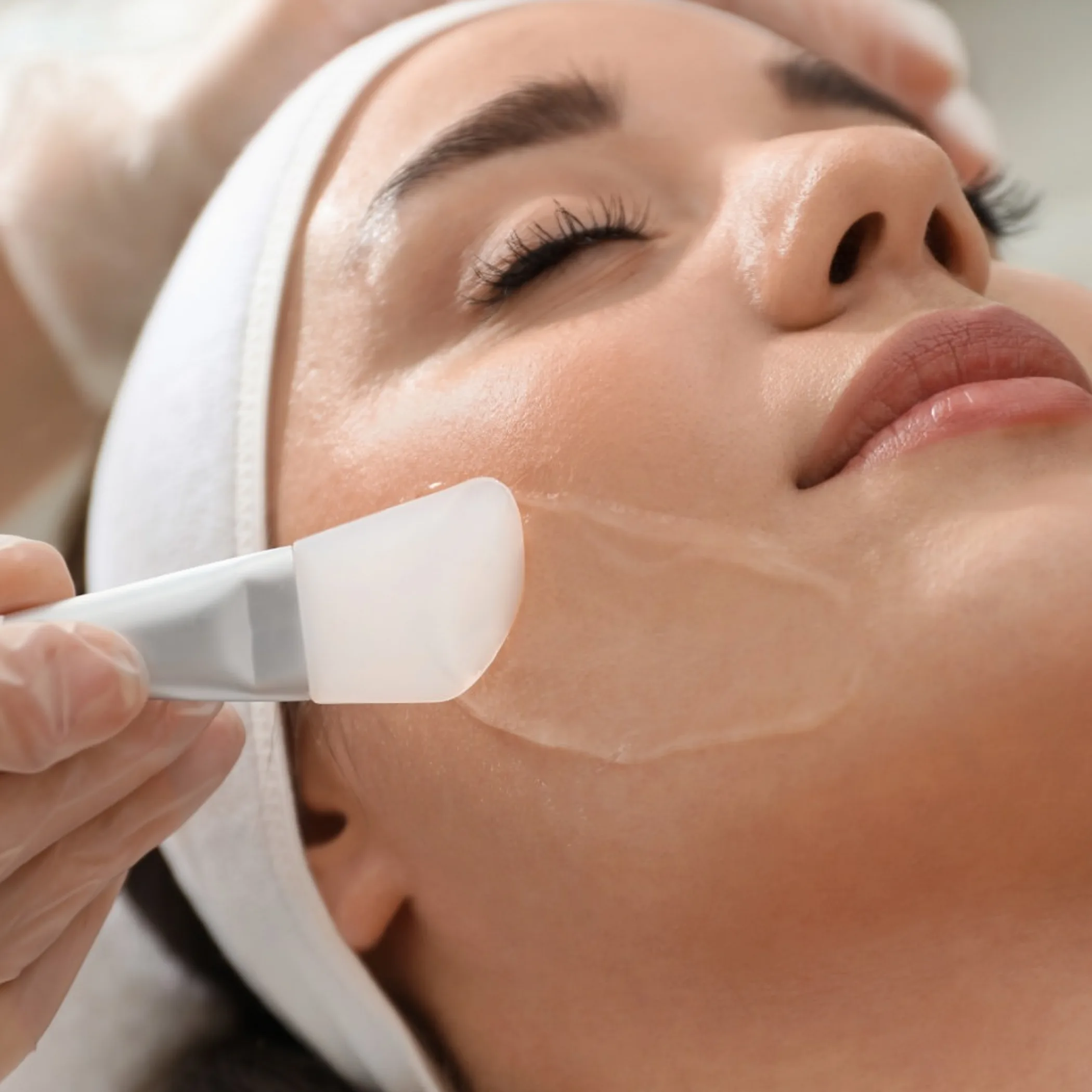
There is a difference between a good consultation and a sales pitch; the former ought to be a conversation. Come prepared with your medicine and allergy list, any prior reactions, an account of cosmetic work you have had done and what outcome would put you at ease.
Do not leave without asking if the treatment in question is right for your skin or calls for a test patch. Put on the table such matters as pregnancy, breastfeeding, cold sores, sun exposure, active infections, blood thinners or any recent dental and surgical work. Any of this could preclude a treatment or alter the schedule.
Expectation Versus Reality
You may expect a complicated issue to be put to rights for good in one session. In reality a lot of cosmetic work is only partial or requires upkeep. A steep price does not ensure better care either; it is the assessment, technique, training and follow-up that count, not the marble in the reception area.
Then there are photographs which can be deceptive. Before-and-afters are subject to editing, the angle of the camera, lighting and expression. Make sure you are shown images of like conditions and find out when they were done post-treatment.
Weighing up the costs, risks and results
The cost will differ according to the city, the practitioner, the product, device and how many sessions are involved. The Australian estimates set out here are for planning purposes, do not consider them a firm quote. As for Medicare, coverage is a matter of medical necessity and the service rendered; elective cosmetic work is not covered in the way that is medically required.
| Service | Indicative cost in AUD | What changes the price |
|---|---|---|
| Initial dermatology consultation | $150-$400 | Rebates, location, length of the consult and whether the doctor is a specialist |
| Skin cancer assessment | $100-$350 | For the examination, any imaging, biopsy or pathology |
| Anti-wrinkle injections | $300-$900 | Practitioner fees, units and the areas to be treated |
| Dermal fillers | $600-$1,500 per syringe/area | Volume, clinical complexity and the product |
| Chemical peel or microneedling | $200-$600 per session | Provider, depth, product and number of sessions |
| Laser skin treatment | $300-$2,000 per session | The device, the concern and complexity of the session |
Risks are not to be discounted: bruising, swelling, infection, burns, scarring, asymmetry, an allergic response or simply a result that does not meet with approval. Fillers present a rare but serious hazard should the product compress or get into a blood vessel. Should you experience severe pain, a change in vision, weakness, odd discolouration of the skin or swelling that is on the increase following an injectable, have it seen to by a doctor as a matter of urgency.
Aftercare is part and parcel of the treatment. Heed what you are told regarding sun, heat, exercise and the use of skincare products. If the provider has no explanation for what to do in the event of a problem, look elsewhere.
Frequently Asked Questions
One might have these questions before making up one’s mind between a dermatologist and an aesthetic clinic. The answers offered are of a general nature and are no substitute for proper medical advice or an examination.
What Is The Difference Between A Dermatologist And An Aesthetic Doctor?
A dermatologist is a specialist in the diagnosis and management of skin, hair and nail issues. An aesthetic doctor is typically a registered medical practitioner with a focus on the cosmetic side of things, though levels of experience and training are not uniform. Do not go by the title, verify the person.
Should I See A Dermatologist Or An Aesthetic Clinic?
For anything new, unexplained, painful or persistent, a dermatologist is the choice. Once suitability is determined and you have a cosmetic objective in mind, a qualified aesthetic clinic will do. A general practitioner can settle the matter if you are unsure.
Are Cosmetic Injectables Regulated In Australia?
They are under both therapeutic and professional regulation in Australia but that is no guarantee against risk. Be sure you have informed consent, a plan for complications and aftercare. Check the AHPRA registration of the practitioner and enquire as to the product being used.
Can Dermatologists Perform Cosmetic Procedures?
Some do, offering everything from laser and scar treatment to injectables. Their medical background is an asset where a cosmetic issue is also a diagnostic one.
When Should I See A Dermatologist?
If you have a mole that is changing, a bleeding lesion, a rash for no reason, psoriasis, eczema, an infection, acne that will not go away or sudden hair loss, make an appointment for an assessment. It is prudent to be seen promptly for any skin matter that is new or on the turn for the worse.
Make The Safer First Move

While they can complement each other, dermatology and medical aesthetics have different origins. When in doubt, start with a diagnosis. Pick a registered practitioner, put some hard questions to him or her and see bargain pressure for the warning it is.
A dramatic result is not always the best one. You want a plan that is in keeping with your budget, health and expectations and has sensible aftercare, and a way of getting help should the situation go pear-shaped.
