In Australia the 2026 standards for cosmetic tattoo safety are founded on a number of things: safe skin penetration, the prevention of infection, adequate training, lawful premises and due care for the client. Do not expect to find a single national licence that will cover any business; what is required of you is dictated by the procedure, the premises and the state or territory in which they are located.
This is a guide to the realities of the trade for clients, artists and those running the business. I am Joel Whitlam. My philosophy on safety has not changed since the days of putting together weather briefings and walking-track advice: put some trust in the conditions, know the risks and never be seduced by a confident shortcut. One does not treat a cosmetic tattoo as if it were a haircut with an elevated name. There are needles and pigment involved and the skin is broken; proper controls and proper post treatment care advice are called for.
What is different in 2026?
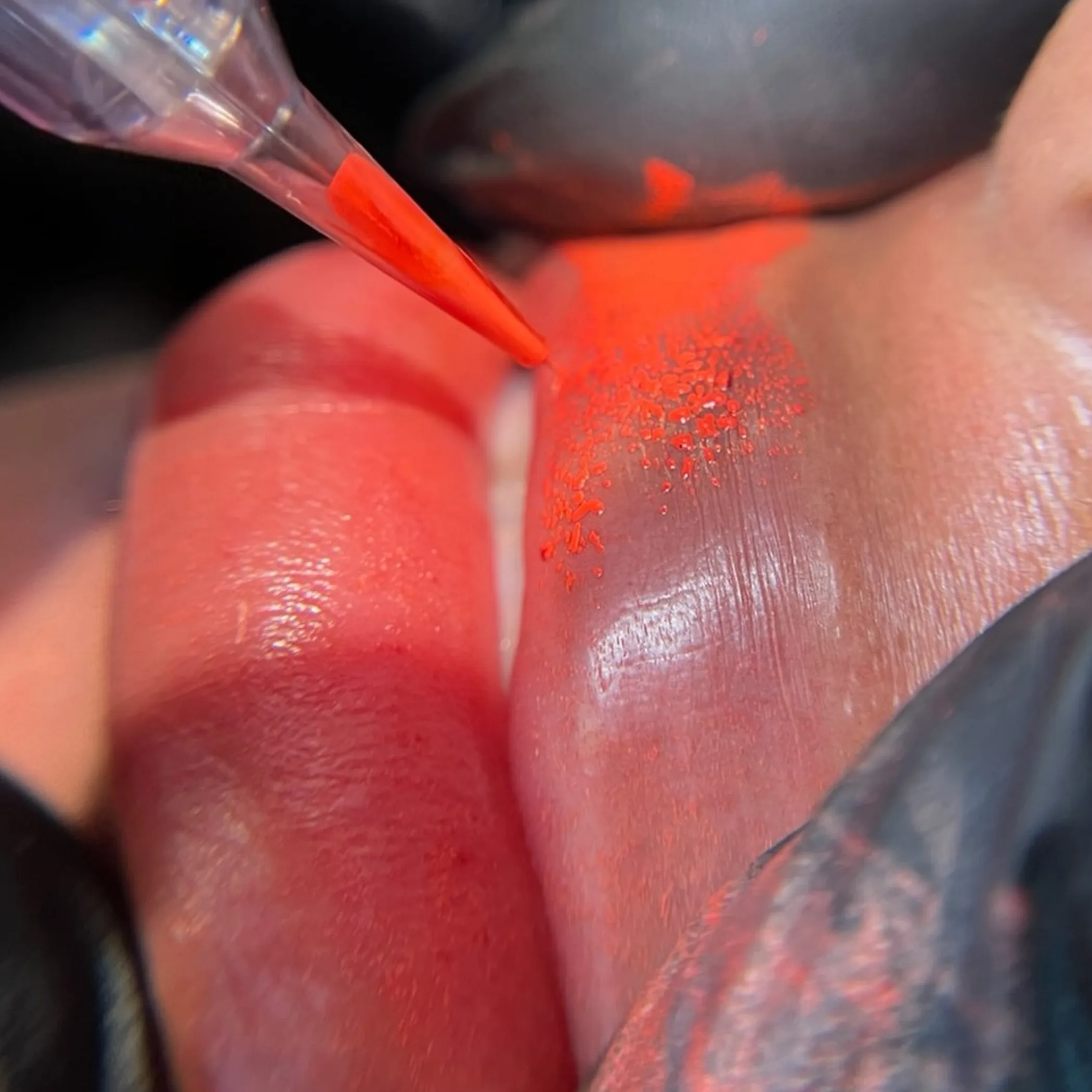
The takeaway is straightforward. Any cosmetic tattoo business should regard an appointment for what it is, a skin penetration procedure. Compliance with state and territory regulations is non-negotiable, as are documented procedures, fit-for-purpose premises and up to date infection control.
Some will tell you a new national law has made local requirements obsolete but there is no substance to that. An artist would do well to put in a call to the council or health department for the latest word. The administrative demands on a Newcastle operation can be quite unlike those in Hobart, Darwin, Melbourne or Perth.
National Rules, Local Enforcement
You have your public-health rules and then the consumer and workplace obligations that run in parallel. Local authorities are within their rights to inspect, to demand registration or to put in place equipment standards and deal with complaints. How one goes about it will vary. Relying on the fact “my friend’s studio does it that way” is not a sound compliance strategy. It is how paperwork tends to bite you.
The prudent course is to get a handle on the procedure, see what the local council wants, verify the operator’s training and enquire as to the management of sharps, blood and adverse reactions.
Is there regulation?
There is. Since cosmetic tattooing puts pigment in the skin it is classed as a skin penetration procedure across Australia. Whether through consumer law, waste controls, occupational health and safety or public-health legislation, the legal path is there.
Take eyeliner, lip blush, scalp micropigmentation or eyebrows. All present the possibility of scarring, an allergic response, pigment migration or infection. Calling it “cosmetic” is not going to make a regulated activity into something as casual as a beauty service.
What you will find covered under regulation
What you will find covered under regulation is the lot: PPE, hand hygiene, sterilisation and disinfection, work surfaces, ventilation, linen and records. Single-use needles and the disposal of them are included. The operator may also need to show he has council registration or has met certain inspection criteria.
NSW Health, WA Health and the Victorian Department of Health all put out information on tattooing and skin penetration. For the treatment location in question, start with the authority there. The guidance from NSW Health on skin penetration is an official source worth reviewing.
State And Territory Requirements

With eight jurisdictions in Australia, local councils have a hand in the approval and inspection process. Check the studio address with both the council and the state or territory health department before you put pen to paper on a lease or book in. Even a home studio is not a given; a residential address could require separation from the rest of the household, the right kind of hand-washing set up and controlled access.
| Area To Check | Why It Matters | Who To Contact |
|---|---|---|
| Business registration | To be sure the operator has registered or been approved to trade. | State/territory health authority and local council |
| Premises requirements | Clean and dirty equipment must be separated, as must the layout and surfaces. | Environmental health at the council |
| Operator training | Evidence the artist is versed in skin anatomy and the risks of the procedure. | Council and a registered training org. |
| Waste and sharps | To avoid needlestick injuries and blood-borne infection. | Workplace-safety authority, waste contractor and council |
| Pigments and equipment | For the traceability and safe use of inks. | Supplier, chemical regulator and health authority |
Vetting a business
Put in a request for the studio’s details, its registration or approval and the name of the one who will be doing the work. You are not a customs officer and there is no need to put the artist on the spot, but a good operator will give you a straight answer. If the business is new, factor in the time for the application to be processed and for the council to have its say and perhaps conduct an inspection. Email is the way to go initially, with a phone call to follow should the response be of the vague variety. And make sure there is written confirmation; after a lease is put in place one finds that memories have a way of being quite creative.
Training and Infection Control
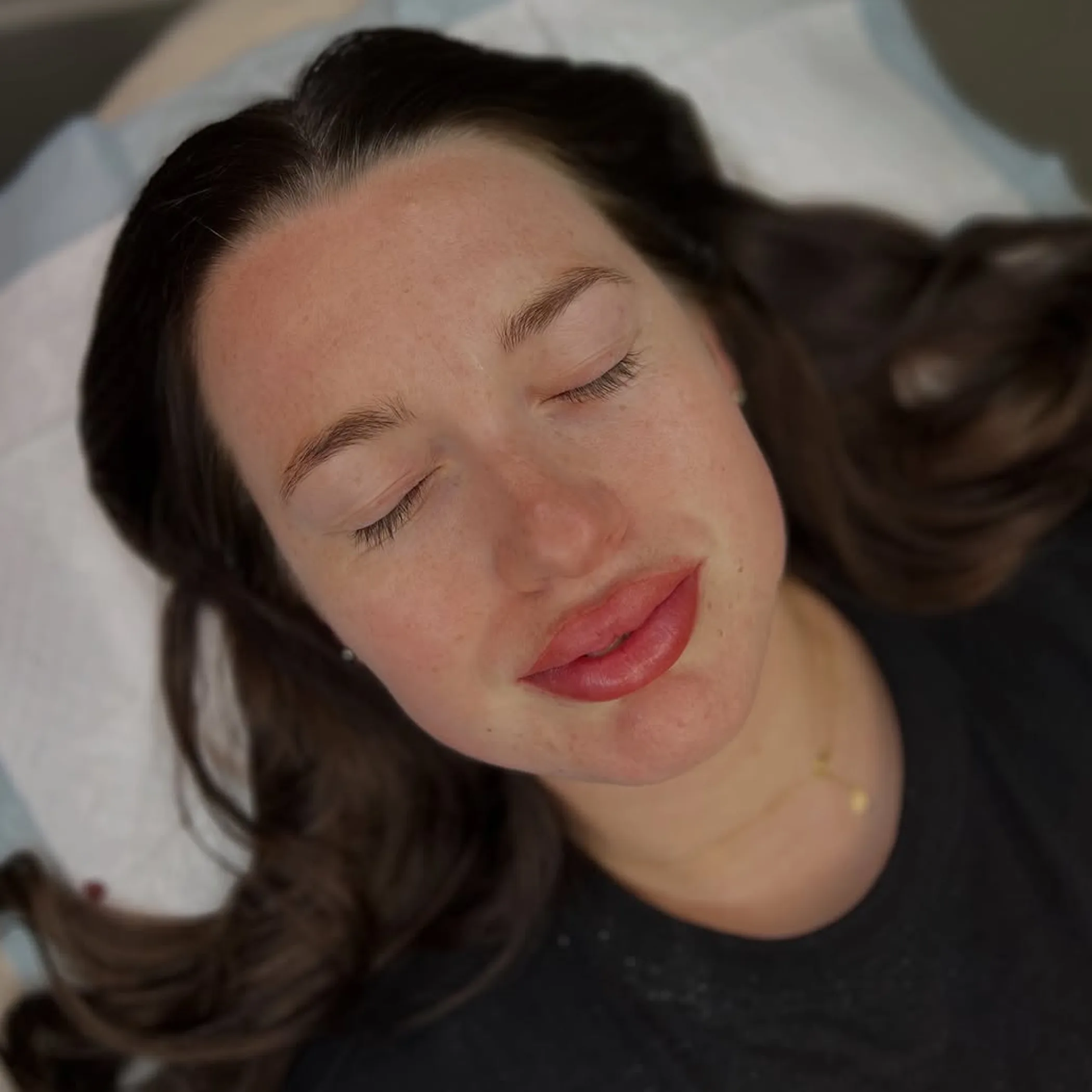
While training is an excellent safety indicator, a certificate on its own is no proof of competence. The curriculum for cosmetic tattoo training ought to be comprehensive: skin structure, contraindications, aseptic technique, hand hygiene, PPE, cross-contamination and sharps safety, as well as cleaning, disinfection, sterilisation, how to handle pigment, incident response and aftercare.
For infection prevention and control, HLTINF005 may be pertinent to an operator’s training. Then there is SHBBSKS003 which could be applicable to the skills of a cosmetic tattooer, the course and scope of work permitting. With SHB50321 it is worth checking the units actually completed and the present day qualification title; one can misread a code when it has been lifted from an advertisement.
More to Training Than a Certificate
Put some questions to the artist: did the course involve supervised practicals or assessment on live models? Is there blood-borne infection control and protocols for complications? Does he or she keep records of incidents and steriliser cycles and undergo refresher training?
The mistake is to think a brief online course is the whole of it. It will put across the theory but you are left with little evidence of any practical ability. A good cosmetic tattooer has the judgement and technique to know when a client is not suitable and to call it off.
- Make sure the operator has the necessary qualifications and training.
- You might ask about glove changing and hand hygiene at the studio.
- Get confirmation that needles are of the single-use sterile type and opened before your eyes.
- Inquire as to the cleaning, packaging and sterilisation of instruments that are reused.
- Ensure that contaminated waste and sharps are put into the proper containers.
- Find out what the procedure is if you have an adverse reaction, swelling or infection.
Council Registration and Premises
There is a certain orderliness to a safe studio, it is cleanable and put together with purpose. You will want to see a hand basin with liquid soap and disposable towels, washable surfaces, covered storage, electrical equipment in good order and a division between what is sterile and what has been used. Such details are unexcusing but they matter.
Do not take council registration for a mere ornament on the wall. It means the business is part of the local health oversight system even if it is no guarantee of flawless treatment. Observation of the operator is still incumbent on the client.
A Health Inspection
An inspector will have a look at the layout of the premises, the hand-washing facilities, instrument processing, the chemicals and waste used, records and so forth. But requirements vary, so the council is where to turn for specifics on an address.
Home studios should be subjected to the same level of scrutiny as a commercial clinic. A separate room for treatment is fine, but domestic impediments like pets, children or food prep, or a shared bathroom will give one pause. My border collie Scout is good company but I would not have him near an open needle tray.
Sterilisation, Needles and Pigments
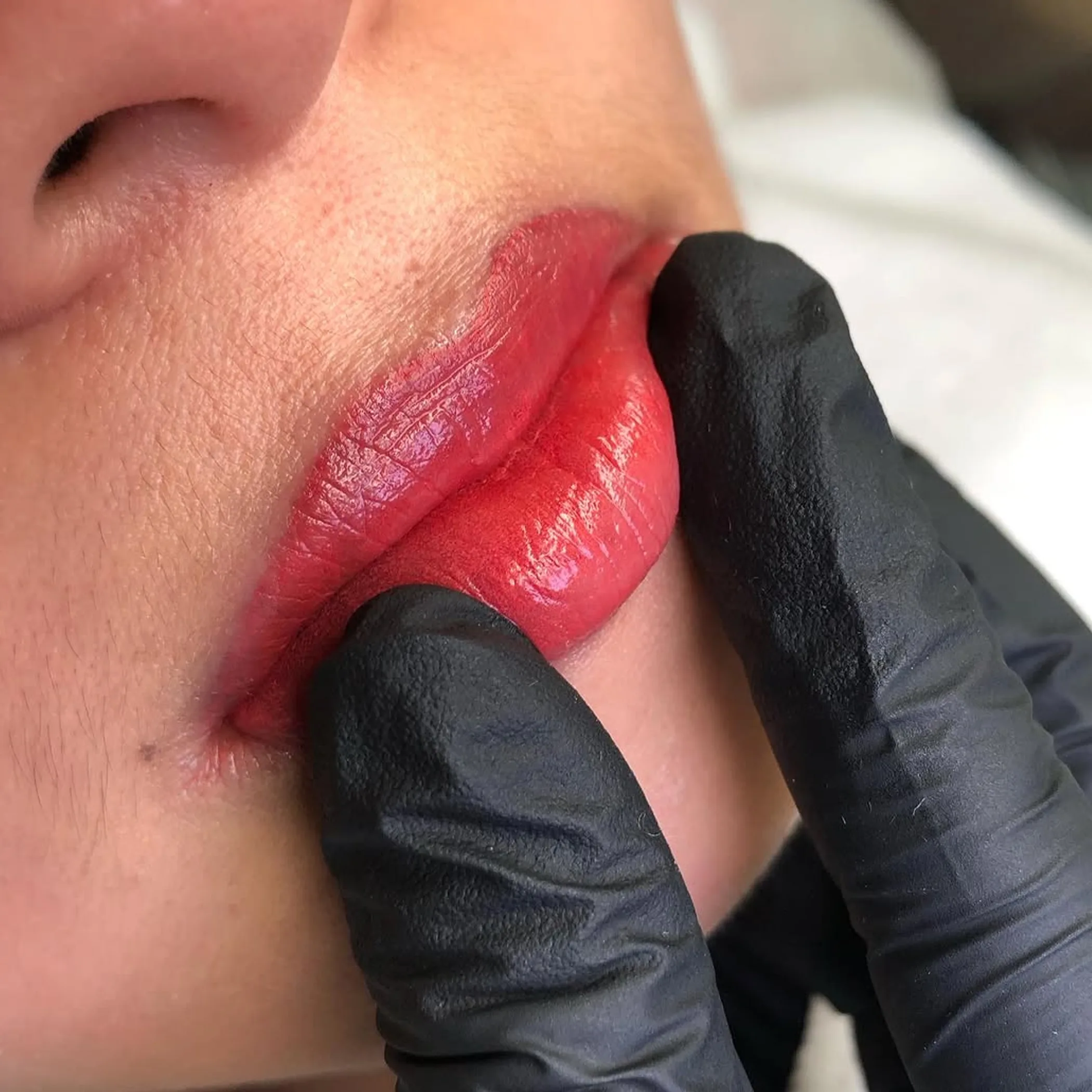
Needles must be sealed and sterile, opened for the treatment and then disposed of in a compliant container by the artist. To touch clean equipment with a soiled glove, decant pigment in an unclean vessel or put a needle to use again is to court risk.
As for reusable instruments, they have to be properly cleaned prior to any sterilisation or disinfection. An autoclave is fine for heat-stable pieces of kit but possession of one does not show it is being loaded, monitored and maintained as it should be.
Understanding Pigment Regulation
On the subject of regulation, do not expect to find a simple badge that explains the rules on cosmetic tattoo pigments in Australia. There are consumer and chemical safety issues with permanent make-up inks and the framework in play will be dictated by the ingredients, the supplier and the claims made.
AICIS (the Australian Industrial Chemicals Introduction Scheme) is the regulator for industrial chemicals coming into the country but it is not an approval system for every cosmetic tattoo pigment. Operators should have the documentation, batch and ingredient information from the supplier and steer clear of anything without traceability.
Some caution is warranted with a product touting itself as “medical grade” or “FDA approved” and free of all risk. Those are not terms that necessarily hold water under Australian law; an FDA statement is not an Australian one.
Consent, Contraindications and Consultation
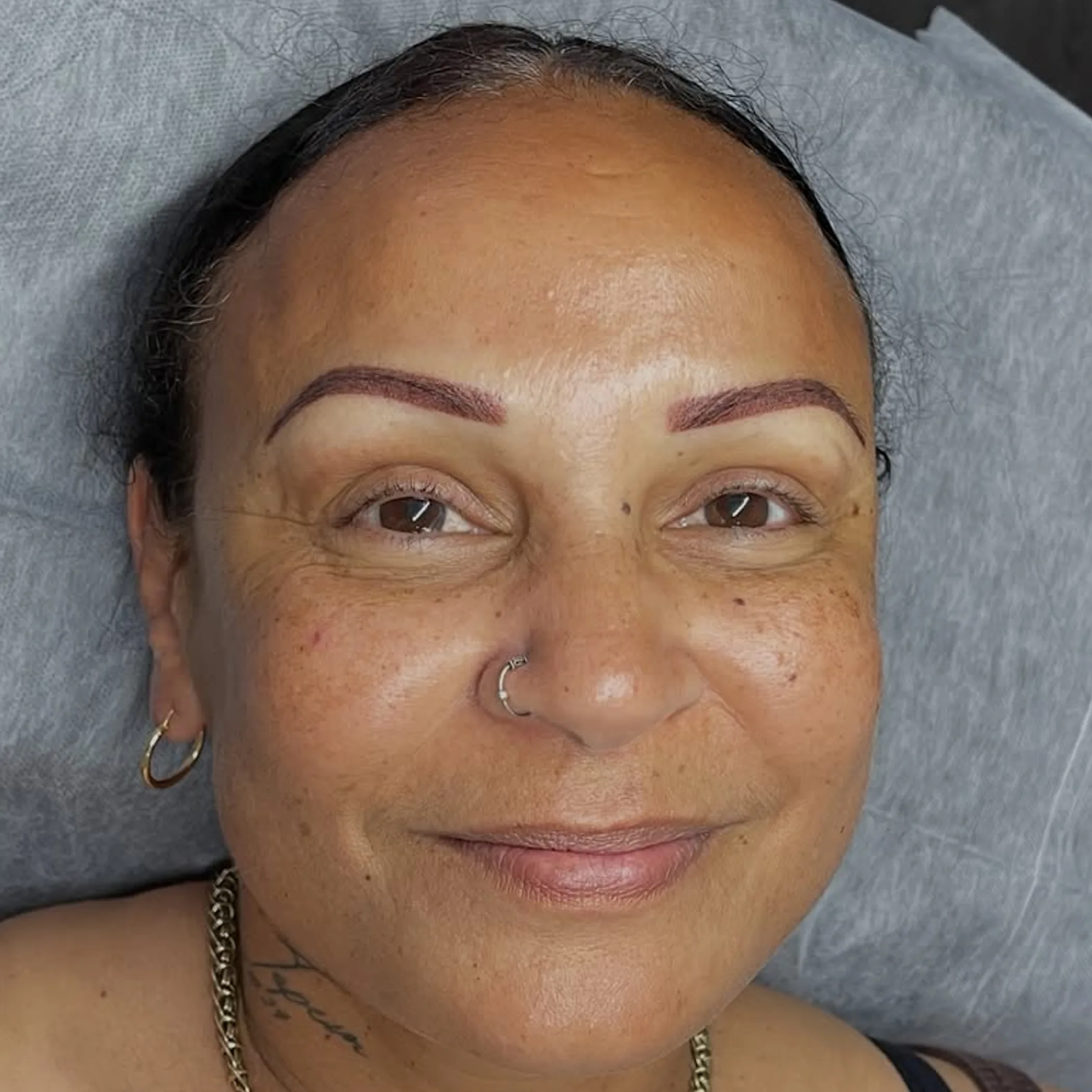
Client safety is something that should be in hand before a needle is in sight. The consultation will deal with medical history, allergies, medications, any past cosmetic tattooing, pregnancy or breastfeeding, immune status, whether you are prone to keloid and recent procedures.
To be properly informed as to the risks, limitations, aftercare and what to expect of the result and the healing is the point of consent. Not a hasty signature while one is lying back under a lamp.
When Treatment Should Wait
There are instances where treatment has to be put off, for example when the skin is sunburnt, broken or inflamed, in the presence of an infection or an active rash. A suitable interval is also called for after any surgery, laser work, peels or injectables. When in doubt as to the right time to proceed given one’s health and the nature of the treatment, a word with the appropriate health professional is in order.
Contraindications are not open to negotiation. Should an artist wave aside a skin condition, allergy or medication, take it as a warning. An operator with due caution will make his concerns known, have you get medical clearance if need be or simply turn down the procedure.
Post Treatment Care
One should be given sound advice on post treatment care before walking out of the studio rather than some vague message a few days down the track. There ought to be written instructions that cover everything from cleaning, moisture and cosmetics to exercise, swimming and flaking, and what to expect in the way of normal healing.
How well one heals is a matter of the individual and the treatment. Adhere to the artist’s instructions, put your hands to the area only after washing them and do not pick at flakes or put on anything unapproved. Let the area be free of friction, shared towels and dirty water while it recovers.
After Treatment Warning Signs
A cosmetic tattoo can leave some redness, swelling and tenderness in its wake. But if there is pus, a fever, spreading redness or pain that is getting worse, or difficulty breathing, a severe rash, marked heat or swelling, then medical attention is needed without delay. For the details of the procedure put in a call to the artist; for anything of concern seek medical opinion. In an emergency dial Triple Zero. Leave the diagnosis of an infection to a doctor and not an online comment section.
Reality Check
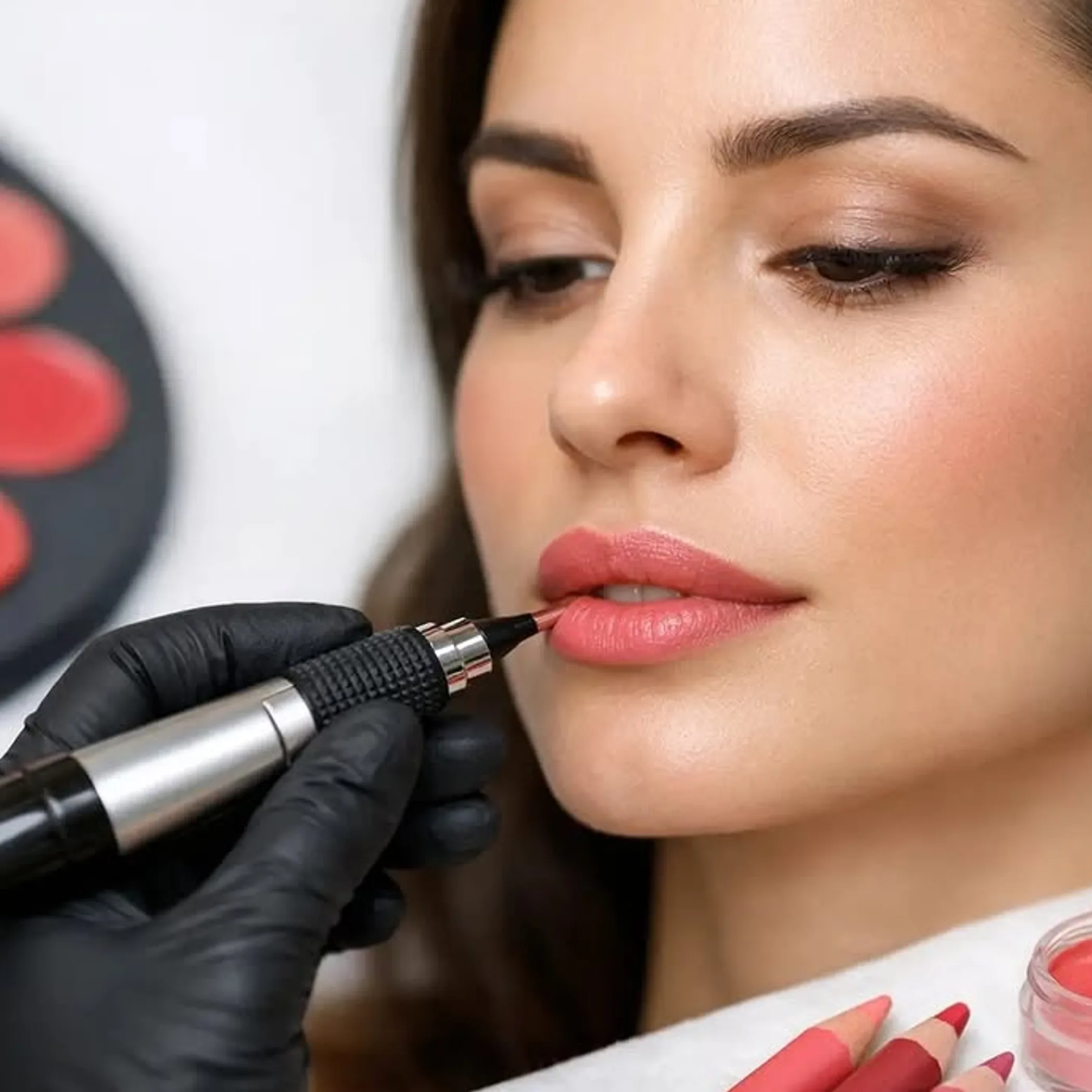
You might think cosmetic tattooing is an effortless way to save time. The first result could be more swollen, darker or sharper than you would like and the colour will alter as it heals. “Natural” does not mean you are without risk; even the most natural looking work involves breaking the skin and the possibility of scarring, an allergic reaction or colour you are not happy with. Factor in the consultation, the preparation and the healing period, and a review appointment if necessary.
Then there is the notion that the best value is to be had at the lowest price. Proper premises, insurance, sterile supplies and the disposal of waste all have a cost. With no set national price for a cosmetic tattoo, an hourly rate of AUD 200 is no guarantee of quality or lack thereof. Put the number on the booking page to one side and look at the aftercare, training and hygiene.
Who is it for?
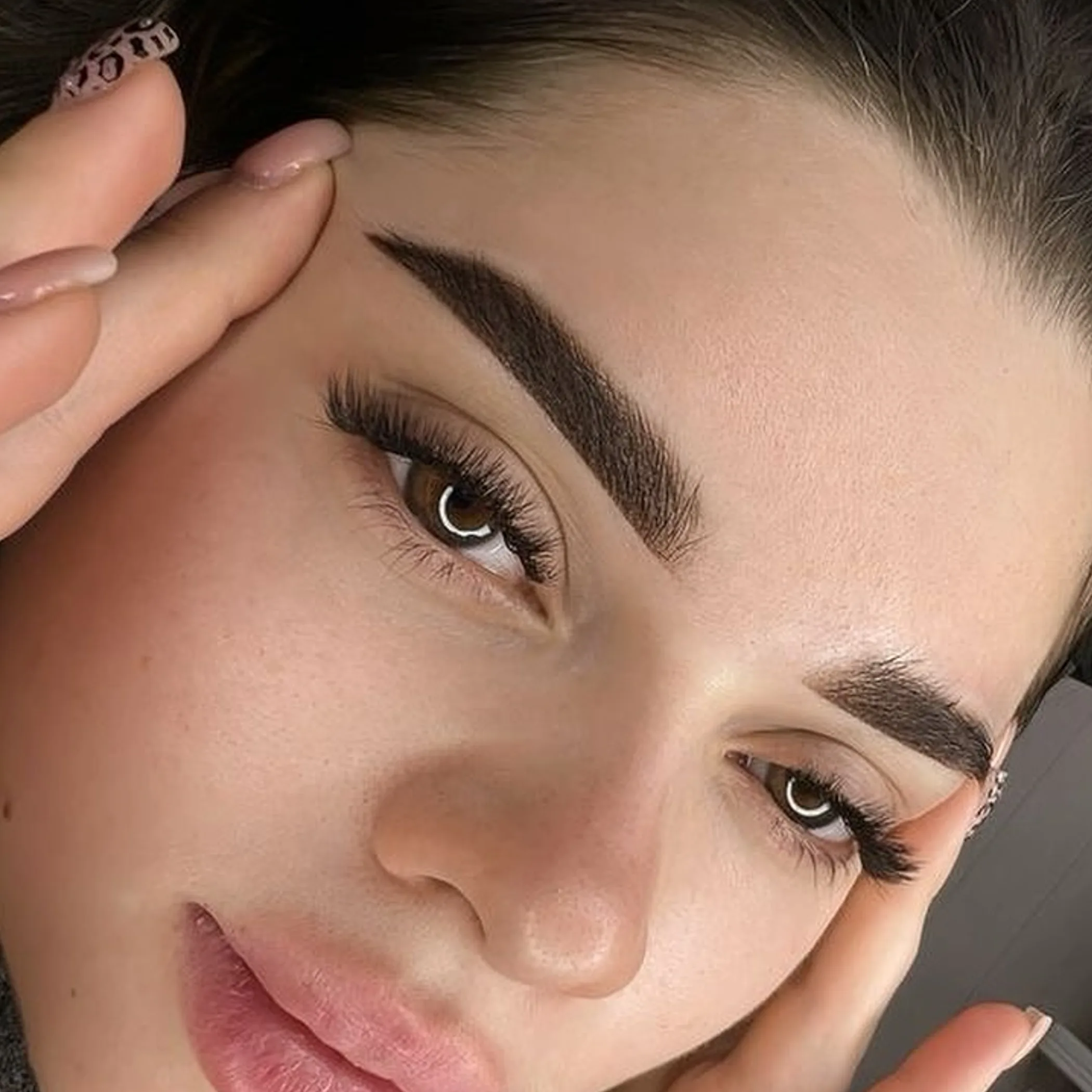
An adult who can abide by the aftercare and is aware the results are semi-permanent will find cosmetic tattooing suits him. It is less well suited to those with unrealistic ideas about symmetry, uncontrolled medical problems, active skin disease or a propensity for pigment reactions.
If travel is in the offing, make sure there is time for both the consultation and the healing. Do not have a fresh tattoo done just prior to a long flight, a dusty trip in the bush or a tropical holiday if you are not in a position to manage the aftercare. Crowded resort pools and the wet season are poor companions for healing.
FAQs
Face Tattoos: Are they legal in Australia?
Not per se, but one must consider consent rules, age limits and the particular procedure. Being a form of skin penetration, face tattooing is subject to the requirements of the state, territory and council.
Will tattoos be unfashionable in 2026?
Hardly. While trends come and go, demand for cosmetic tattooing is driven by the client and location. Popularity is no excuse for lax infection control or failing to obtain informed consent.
Is an hour at AUD 200 steep for a tattoo?
It is impossible to say without the context of the artist’s experience, the length of the appointment, the equipment and so forth. Cosmetic tattooing tends to be priced by the procedure. Find out the total bill and if a follow up is extra.
Any FDA approved inks?
Do not assume an FDA stamp means a product is fit for use in Australia; the regulatory stances of the US and here are not the same and the term is sometimes misused in marketing. Get the supplier and batch details and check for Australian compliance.
The cardinal safety error?
To let a clean room give you a false sense of security. Hand hygiene may be wanting, records poor or instrument processing incorrect. Make practical enquiries and see if the artist is changing gloves as he should.
In the end
The safety standards for cosmetic tattooing in Australia in 2026 are a combination of things: competent training, safe pigments, sterile equipment, council and state rules and good aftercare. No amount of marketing will substitute for that.
When you book, be sure of the studio address, ask whether they are registered with the council, have an honest discussion on contraindications and make certain the needles are single-use. A sensible question is unlikely to offend a safe artist; he will be glad of the attention.
