The Great Ocean Road in winter is cold, it will be windy and wet with some regularity and changeable to boot. But put in the proper planning and you will find it well worth your while. That is the gist of this guide. Daytime will see you in the 8–14°C range for the most part; mornings and nights are colder. You can count on short days, a rain squall or two passing in a hurry and coastal winds that have a way of making a mild temperature feel rough as guts.
I am Joel Whitlam. The simple answer for anyone considering a trip is that the Great Ocean Road in its winter element is for those who do not mind a moody coastline, want to see whales and full waterfalls and have no objection to a good bakery after being out in the wet. It is not for the type that goes feral over a windy car park, a sideways rain at the lookout or when a “quick stop” becomes a muddy track and a pair of wet socks.
To give you a straight answer first:
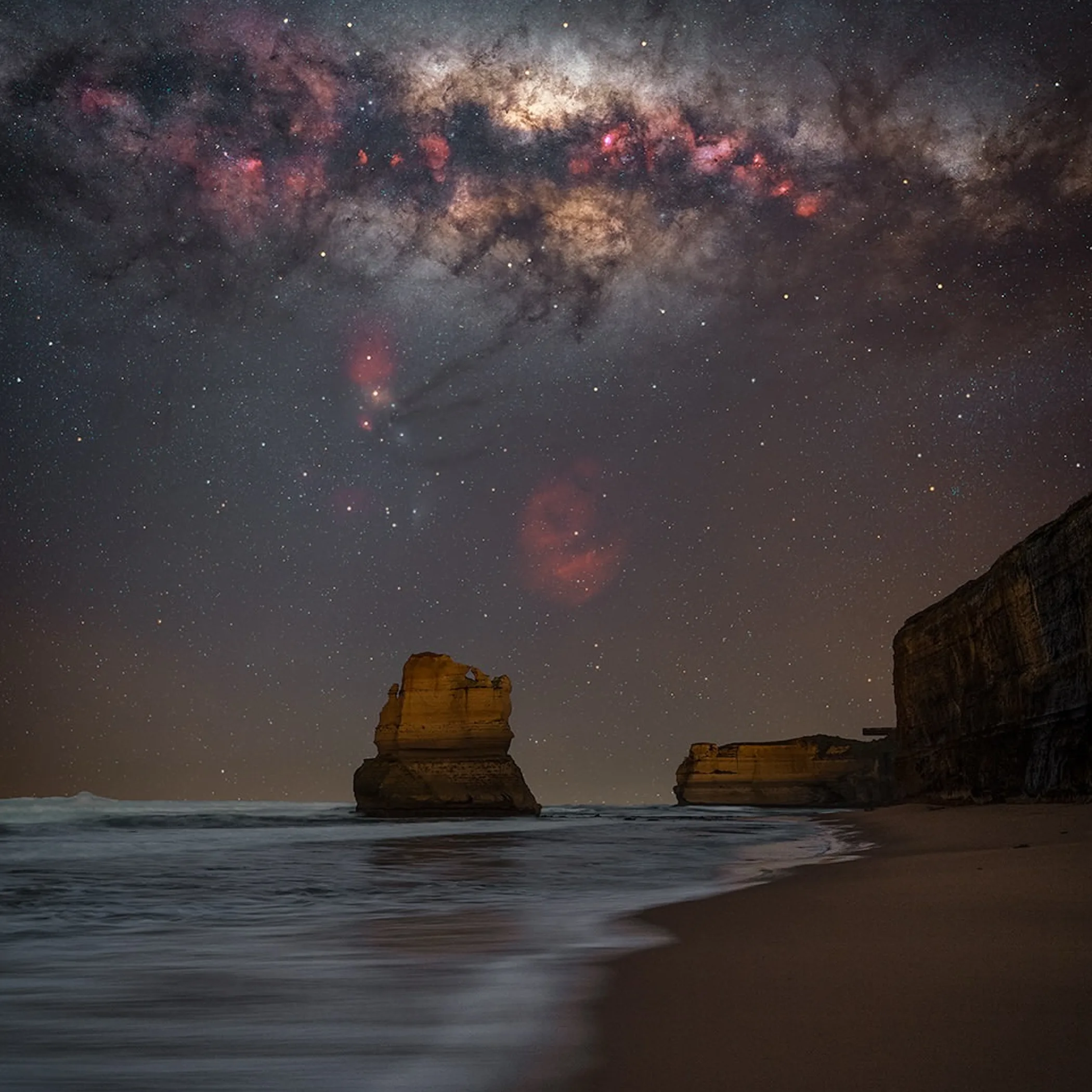
if what you are after is space, atmosphere and wildlife rather than beach weather, then winter is as good a time as any. One puts up with less than ideal swimming in exchange for dramatic seas, raging waterfalls and a better opportunity to come across a Southern right whale. For more details, check out our Great Ocean Road winter weather guide.
It is not the cold alone that gets people. More often it is the wind chill, the coastal winds and having to drive slower from one place to another in the limited daylight. Most drivers will have no trouble with the road, but winter is more forgiving of realistic plans than of optimism.
Winter At A Glance
For the practical side of things, June to August is what you will have on this coast. The cold is as much down to the wind and rain as the figure on your app. And conditions are not uniform; they differ between the exposed coast, the Otways and the forested parts.
One day you may find Apollo Bay has a different feel to a sheltered inland spot. Lorne could be drizzling while the Twelve Apostles are being hard done by the wind and the Otways rainforest is a misty, damp and darker affair than one would think.
| Winter Factor | Typical Expectation | In Real Life |
| Months | June to August | Peak of the cold season with variable fronts. |
| Temperatures | 8–14°C during the day | Will seem colder under the influence of wind and rain at the lookouts. |
| Early Mornings/Nights | Some areas near 5–8°C | Damp gear if you have not seen to it, fog patches and cold starts. |
| Rain | Anything from a shower to a persistent spell | The landscape is greener and the falls stronger but tracks are slippery and visibility is down. |
| Wind | Exposed headlands see plenty of it | Wind chill and not much of a picnic. |
| Daylight | Shorter | An earlier check-in is called for. |
| The Sea | Big surf to view with winter swells | Though you should be more circumspect at the edges and beaches. |
These are averages, not guarantees, given how fast local conditions can turn. For the latest from the Bureau Of Meteorology Victoria forecasts and warnings, that is where you will get your information.
What The Season Is Like
There is an expectation versus reality. A lot of visitors put “winter” in their heads and see a postcard day, crisp and still. You may be so lucky. Equally likely is a 3.00 pm car full of damp jackets, a jumper that does not cut it at the Twelve Apostles and a drizzle at Loch Ard Gorge.
Then again, the coast is all the more alive for it. The sea has muscle about it, the waterfalls are running hard and the usual haunts are not as packed as in summer. There is something to be said for a winter visit if you wish to be at a lookout unencumbered by six selfie sticks.
On Rain, Wind And Visibility
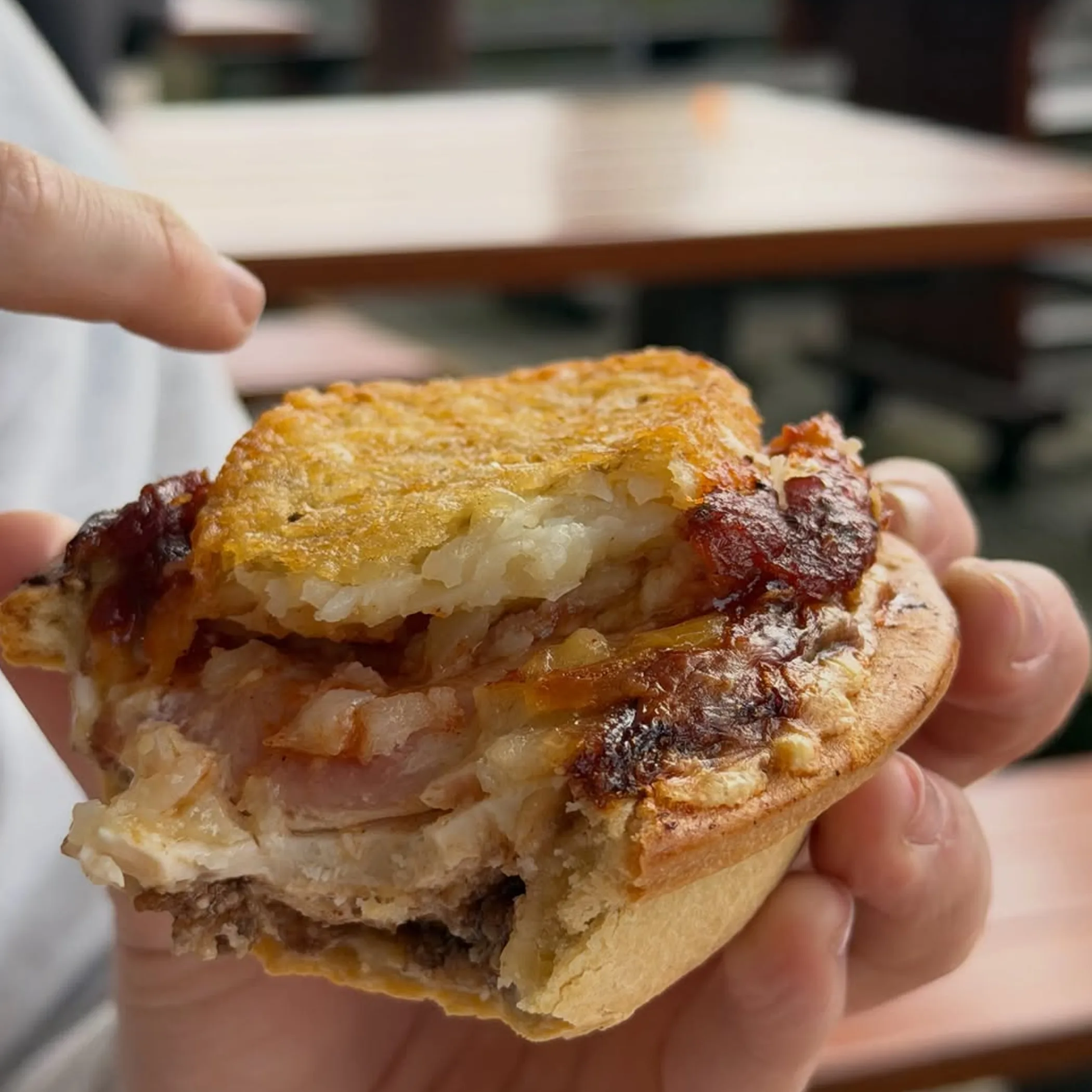
This is the crux of any plan. Do not expect a steady downpour, but be ready for rapid shifts: a patch of clear, a squall, a little sun and another front comes through before you are done with your coffee. I would point out the inconvenient fact that what looks fine on leaving a town can be quite another matter 30 kilometres down the road. The coast is open country and visibility will go around a bend or at a cliff-top without warning.
And then there is the matter of wind chill
which is habitually underestimated. 12°C is fine until you are not moving and the coastal winds are getting at you through a hoodie of questionable quality at the Twelve Apostles. Another error is to think a walk in the rainforest or to Hopetoun and Erskine Falls is easy because it is short. In winter the ground is apt to be muddy and slick. There is a misconception that short equates to simple. For the elderly, small children or those with less than reliable knees it is not. One has only to have bad knees to know they are as good as any weather forecaster with their ligaments.
Sea State And Swells
One is drawn to the winter swells for what they do to the coast; they put on a dramatic show and of course make an ordinary vantage point something to remember at the Twelve Apostles or in the vicinity of Loch Ard Gorge. But they call for respect. There is no room for heroics on a wet platform with unstable edges and big surf, not even to put in a better photo angle. Steer clear of the cliffs, keep an eye on the children and don’t count on there being a barrier where you might expect one.
Driving Is Slower
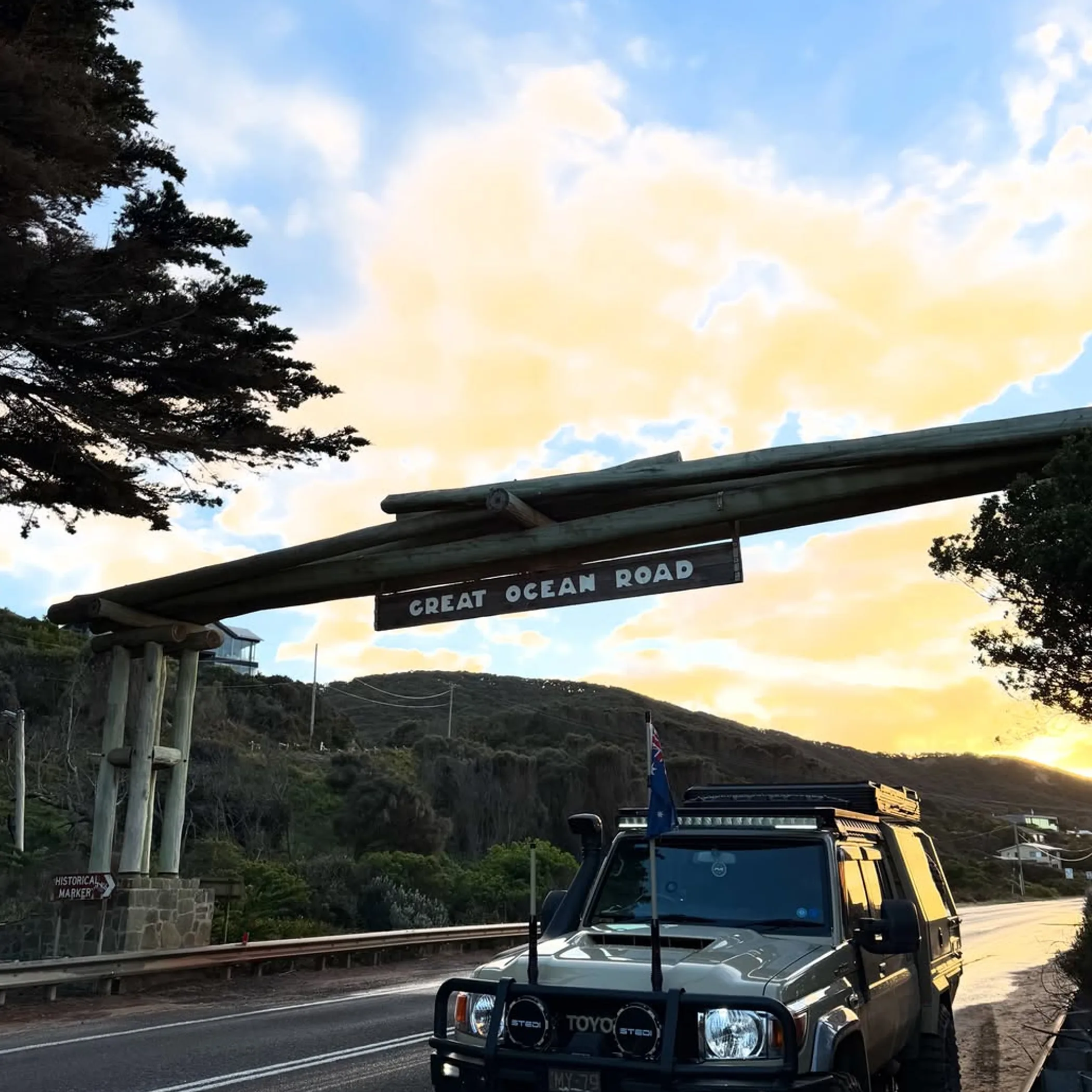
Summer sees its share of underestimating how long Great Ocean Road will take, but in winter it is done with more assurance and in poorer light. While the road is generally fine for your average vehicle, you will be put back by the wet, the wildlife about at dawn and dusk, visibility and the need for warm-up breaks. A day trip is no time to attempt to “see everything properly”. People who try to speed-run one of Australia’s finest drives in such a fashion tend to be cranky and hungry when they get back, questioning the whole exercise.
A Winter Schedule
You can put in from Melbourne to the western icons and return in a day, yet it is a long haul in winter and hardly conducive to a leisurely stop. A more sensible approach is to stick to the eastern side of Lorne and Apollo Bay, or head west with an early start and no detours. Most would be better off with two or three days. Two affords some breathing space, three and you can put in some short walks, have a proper meal and see the waterfalls and whale migration lookouts without having to consult the dashboard clock every ten minutes.
| Trip Style | Best For | Realistic Winter Plan | Watch-Outs |
| 1 Day | Time poor drivers | An early start and one section to prioritise, no lengthy walks | Rushed stops, fatigue, limited daylight |
| 2 Days | The first timer | Put in an overnight near Port Campbell or Apollo Bay | Weekends and school holidays require early booking |
| 3 Days | Families, photographers and walkers | Incorporate the Otway National Park and the falls | Wet weather means more gear to manage |
Parking And Access
Even in winter the popular spots are visited, on a clear weekend anyway. The Twelve Apostles car park will still be filling up in waves come midday and the smaller ones at the waterfalls can be a tight, muddy squeeze for a large vehicle. You will find the access tracks enough, though they may not be comfortable in inclement weather. Those with mobility issues or unsteady on the stairs should verify site access beforehand; some of the more famous falls have a steep way down and a damp climb back up to match.
Use Your Judgement
It is not as if winter renders the route unsafe, it merely punishes a lack of common sense. Risks are to be found in tiredness, a slick path, poor shoes, leaving late and putting more stock in a phone app than the coast itself.
Then there are the realities of road closures from a landslip or tree fall after hard weather. Make sure to check with the Great Ocean Road Coast and Parks Authority or local tourism like Visit Great Ocean Road (visitgreatoceanroad.org.au) and GreatOceanRoad.com.au before you set out. Conditions have a way of changing in a hurry.
- Headlights on for the rain and low visibility, and be prepared for traffic to slow on the bends.
- Put on footwear with some grip for the gorge and waterfall paths, smooth soled sneakers are a risk.
- And take for granted that a timber step or shaded area will be slick.
- Have an extra layer, some provisions and a charged phone in the car.
- If the weather is foul, drop a few stops instead of making work of the itinerary.
For Whom?
Photographers, a couple in search of a quiet coastal stay, or a family with reasonable expectations will find this season to their liking, as will those keen on some whale watching. It is not the place for a beach day or a full list of stops with nothing to give. As for nervous drivers of winding roads in the rain, the full route in winter is not for them. Nor is it for anyone intent on cramming it all in. Start with something smaller.
There is nothing glamorous about what you put in your bag for the Great Ocean Road, yet it will determine the success of the trip. In winter you are better off with layers and sensible outerwear to keep your feet dry. Leave the city coat that has pretensions of fashion but can’t stand a drizzle; it won’t be any use to you out here.
One sees enough visitors arrive with a thin jumper and white sneakers, some sort of betrayal on their face. Make sure your gear is up to the weather as it is and not the kind of holiday you were expecting.
- A windproof waterproof jacket
- Fleece or wool for a warm mid-layer
- Long pants of a material that dries without fuss
- Some grip on your walking shoes or boots
- A beanie or neck warmer for when you are at an exposed lookout
- An umbrella for the towns (the jacket is preferable on a headland)
- Phone charger and power bank, and a paper map for those who like to be thorough
- Spare socks and a top in the car
Then there is the car.
A demister in working order is more important than most would think, as is a fuel tank that is well filled in between towns rather than left to chance. With children in tow you need a towel, snacks and some idea of where to make a wet-weather stop. They will eat their way through a bakery by the colour of the icing, but they are not so good humoured when they are cold and you have told them for the third time the next place is 40 minutes away.
Winter Stops

The season has a way of reducing the route to what is useful. Forget the swim, go for the atmosphere and the dramatic coast, a walk that is all the better for having had a hot lunch first, decent shelter and wildlife. That is how the Great Ocean Road in winter justifies itself. The stops worth making are those that do not fight the season.
Whales and the Coast
Watching whales is perhaps the best reason to be on the road in winter, come migration season or not. The south-west Victorian coast will put southern right whales in front of you from land, into spring if you are lucky. Binoculars are fine to have but no cause for concern if you don’t. Stand still and be patient from the shore and it will be rewarded. Most are in too much of a hurry, thirty seconds at a lookout and they have decided there are none. Wildlife does not work to your schedule.
Rainforest and Waterfalls
You will find the waterfalls of the Great Ocean Road to be a highlight in winter. Hopetoun and Erskine Falls put on a better show after a good rain than in drier times and the Otway National Park is at its finest when the forest is green and dripping. First timers may find the Otways rainforest a bit dark and enclosed in the cold, but if you are fond of a misty, ferny bush then it is to be enjoyed. Do factor in some extra time for the slower going on the paths.
Where to put down roots
Apollo Bay is a convenient base in winter, practical and well sited for supplies and a night’s rest even if the weather is blustery. Lorne is good for a foray on the eastern side if you want to be near a café and the rainforest. Over in the west the Twelve Apostles and Loch Ard Gorge are at their most imposing in moody weather, assuming you can see past the cloud.
A day of outdoor exertion is well balanced by a spa or hot springs somewhere else in Victoria,
but on the road don’t let “wellness” get in the way of what the season has to offer. Embrace the coast and then have a good pub meal, a hot shower and sleep well. No need for anything fancy.
Your itinerary is more of an issue in winter than the forecast.
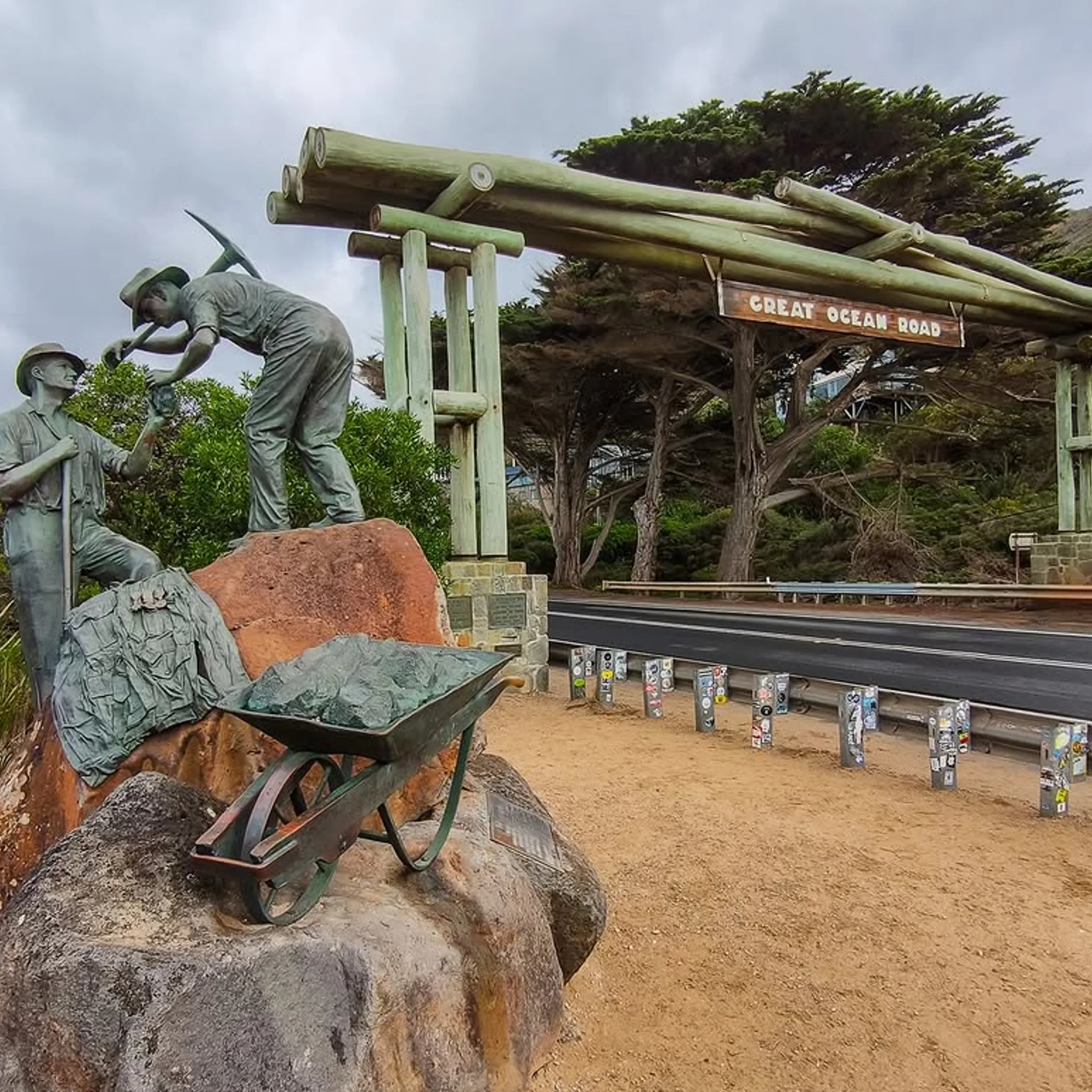
The road is long and bad pacing will make of it a cold affair. My rule of thumb is to have fewer and longer stops, and an overnight where possible. Let the guide help you to pare back the plan.
One day only?
Pick a section. From Melbourne a more leisurely option is to make for Lorne and a waterfall before Apollo Bay and head back inland. An icons-only day is best begun in the early hours, making for the Twelve Apostles and Loch Ard Gorge and little else.
When it comes to a self-drive, costs are all over the place. One should put aside money for fuel, food, parking and any other incidentals you might come by in the region. But accommodation is where the figures change most; while you may find better value in winter than at the height of summer, expect to pay up in popular towns on a weekend.
Two Or Three Days
The two-day itinerary will do for most. Put in an overnight at Apollo Bay or some way west of there to take the strain off the driving and not have to hurry through the good stuff. Then again, three days is preferable if you intend to put in some Great Ocean Walk, see the waterfalls and a few whales, have a coffee and be unbothered by the odd weather delay.
Hostels and no-frills motels are within the budget traveller’s reach, YHA Australia and local operators have their share of them. Families might want the convenience of a cabin or apartment to put the kids to and dry off gear. As for sleeping in the car, I would not put that in your plans. Local rules and rest areas are what they are and unofficial overnighting is not something I can endorse on safety grounds alone.
A Word On Conditions
Be flexible until the morning you are due to depart and winter travel will go smoothly. Seasonal averages are nothing compared to what the forecasts and park updates have to say.
Have a look at the rainfall, wind and marine conditions before you set off and measure them against your route. Should a storm front be on its way or a waterfall track off limits, or even a lookout obscured by fog, then alter course. There is no harm in taking honest advice, more often than not it is what makes the trip.
Where To Look
Bureau of Meteorology for the weather, the various tourism and local channels for visitor and access information: that is the way to go. The Great Ocean Road Coast and Parks Authority has the management and coastal details you need. For planning town by town try Visit Great Ocean Road (visitgreatoceanroad.org.au) or GreatOceanRoad.com.au.
Any section of the Great Ocean Walk warrants a fresh appraisal from the walker before he or she heads out. In winter rain and mud and a lack of daylight are far more of a factor than the brochure would have you believe.
Some Winter Questions
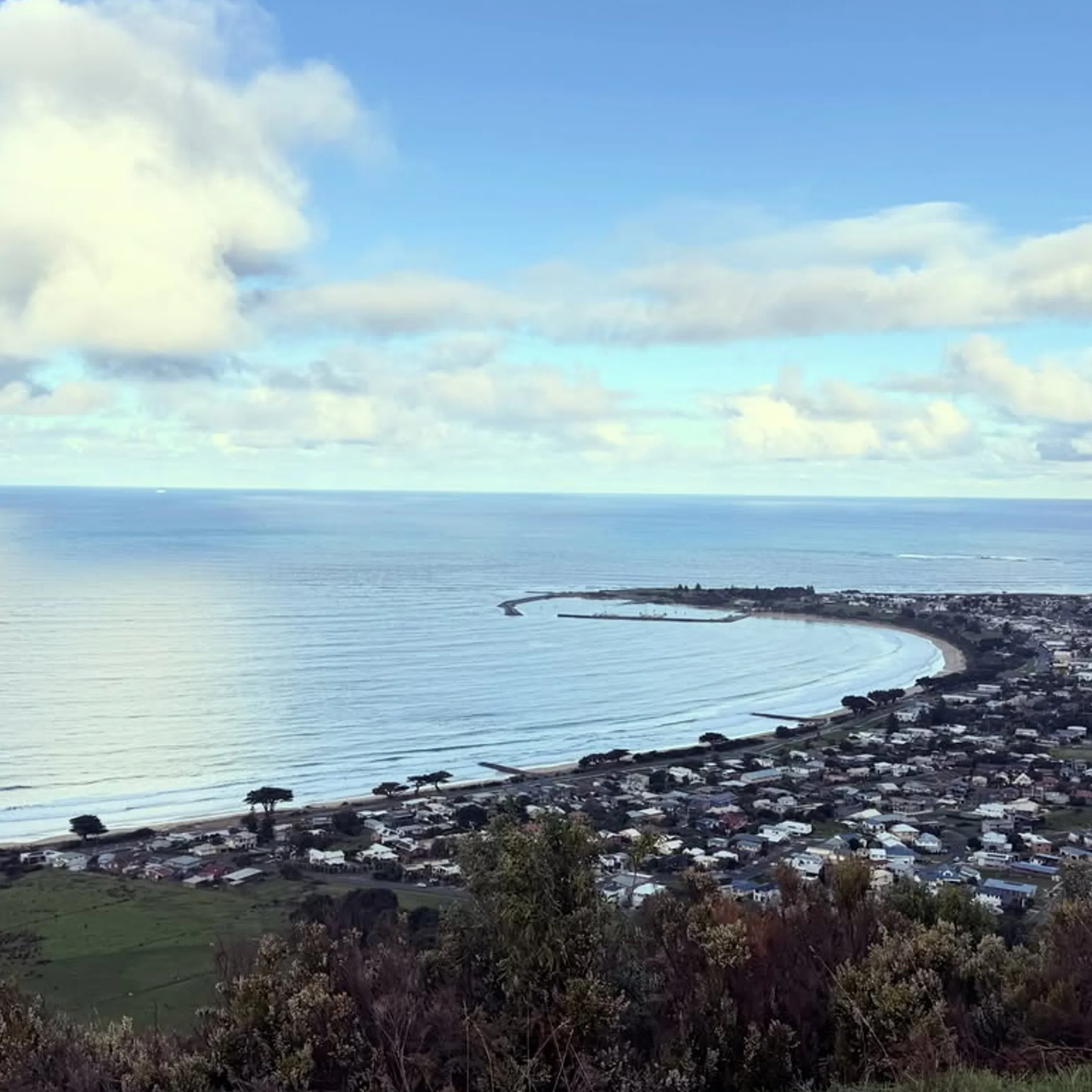
You will hear these asked a lot, typically once the wrong jacket is in the pack or too many stops have been made. Understandable. Easier to get it right now than at a servo in the rain.
Sleeping in the car on the Great Ocean Road?
No, not as a general rule. Some roadside spots are not for informal use. A motel, campsite or hostel is a safer bet.
Best time of year?
Depends. For the moody scenery, the whales and to avoid the crowds, winter is fine. Summer for the beach and longer days. It is a matter of whether one wants the warmth or the atmosphere.
How cold does it get?
Daytime in winter is 8–14°C as a rule, with colder after dark. Yet with the exposure and wind chill off the coast it will feel worse.
Days to drive the road?
Allow two for a proper winter outing, one and you are in a rush. Make it three for the walks and flexibility.
Families in winter?
Why not, if you are realistic about it. Those who can put up with layers and short stints outdoors will be fine. Not so much if the children are under the impression July is beach weather.
In the end
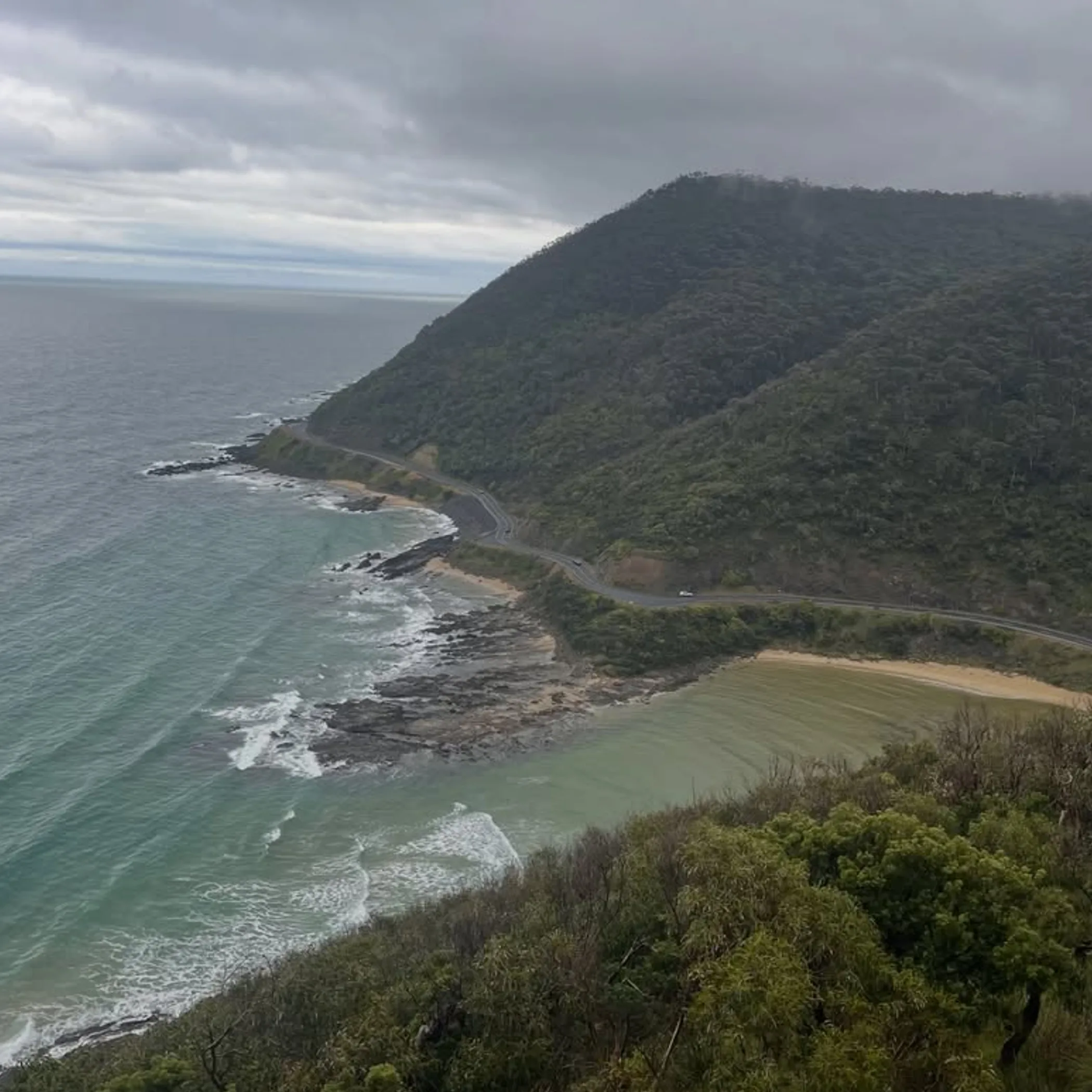
The Great Ocean Road in winter has no time for your timetable, nor is it particularly polished. You could say that is the point. There is a stronger mood to the coast, whale migration to be had and you are actually travelling instead of managing a queue.
Drive with sense and scale back your ambitions to suit the light and the weather is of no consequence. Be prepared, have a dry jumper in the car and be pliable. You will thank me for it later.
