There is a basic rule to any Australia Packing List For Different Regions: put together a bag for temperature changes and forget about some notion of a single Australian climate. One can go from a humid afternoon to a cold morning on a trip that covers Brisbane and the Great Barrier Reef to Uluru, Perth and Tasmania; there will be sharp coastal winds and dusty tracks. With a bit of planning and the right in the way of layers, footwear and sun protection, you will not find yourself at a servo having to put an emergency jumper on the tab.
“Just bring something comfortable” is not much of an advisory if you have made as many packing errors as I have. I am Joel Whitlam and my experience tells me your list for travelling in Australia has to be in keeping with the season, the region, what you are doing and how you are getting there. You would pack differently for a four-wheel-drive down the Gibb River Road than a Melbourne city break, and one thinks along very different lines for the tropics as opposed to Tasmania. Knowing the best periods to explore each area can help.
First Things First: Australia Packing Essentials
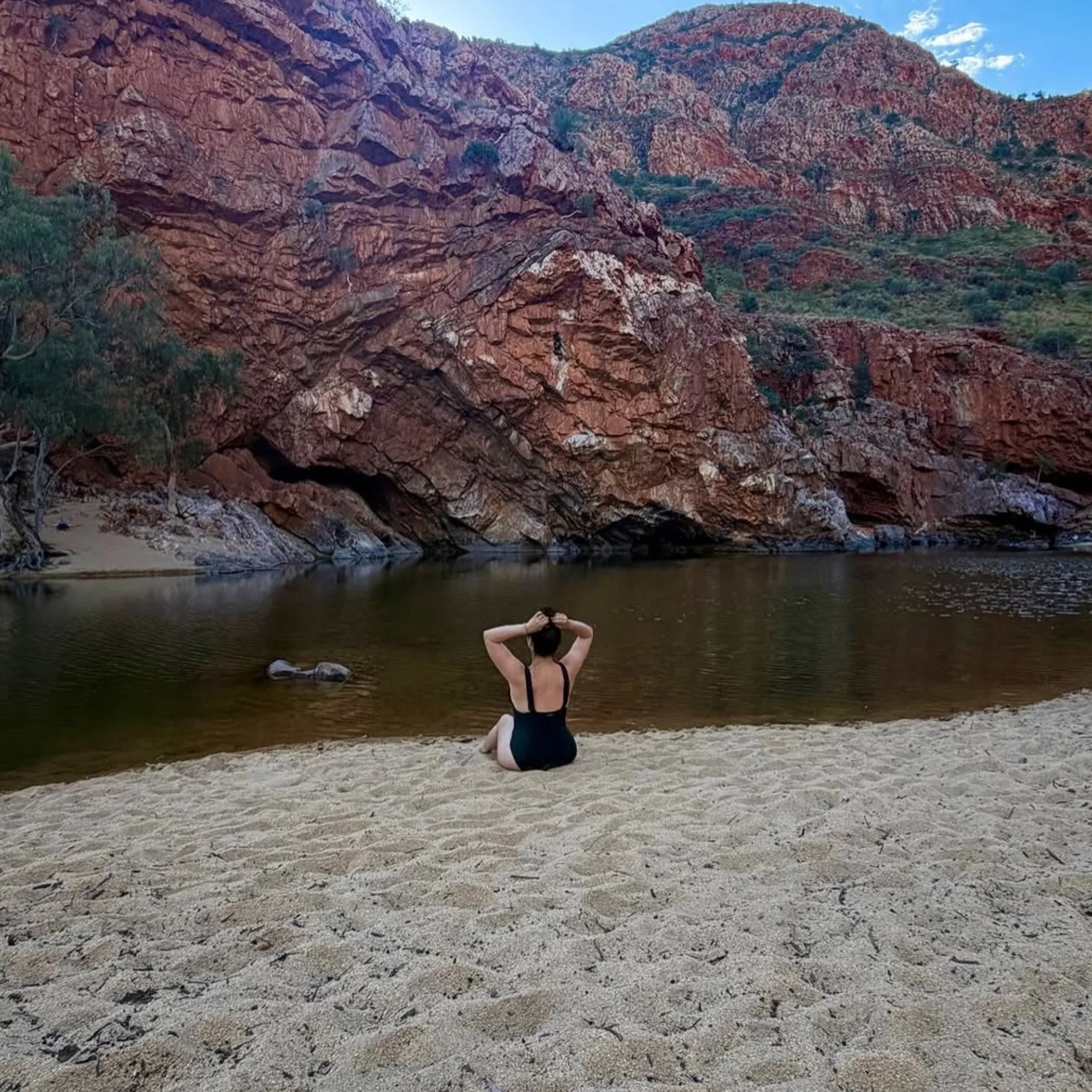
Start with a core kit of some flexibility to see you through most of the country. Go for quick-dry and breathable pieces and layers you can put on or take off without making your bag a stuffed sausage. At 7.7 million square kilometres Australia is no small place and the regions are far apart.
If you are travelling with carry-on a compact wardrobe is enough, but a protracted road trip demands more in the way of equipment. There will be national parks, remote tracks and sealed highways on your route, and towns where you are hundreds of kilometres from a proper shop. Pack for the stop ahead of you, not the ideal one.
- You will want lightweight shirts and shorts, long trousers and some layering.
- Even a summer itinerary in the south of the country warrants a warm jumper or fleece.
- And do not leave home without a rain jacket, a good pair of sunglasses, a wide-brim hat and reef-safe sunscreen.
- Longer tracks call for hiking boots as well as walking shoes and sandals.
- Toss in a first-aid kit, insect repellent, personal medicines and a water bottle you can reuse.
- Add to that some swimwear, electrolytes, a small dry bag and quick-dry clothing.
- For electronics, a power bank, phone charger, head torch and maps (paper and offline).
On the road you should have a windscreen shade, tyre-pressure gear, a vehicle emergency kit and some spare drinking water. See what your rental agreement says before you put fuel or gas canisters in the car; you do not want to be out in the boonies and find the spare tyre is as flat as a pancake.
Regional Climate and Your Bag
Think of it in broad bands and the climate of Australia makes sense. The interior is unrelenting in the daytime heat and can be cold once the sun goes down. In the tropical north there is a wet and a dry time. Down south the winter is no secret. Then you have coastal cities like Melbourne which can give you all four seasons in an afternoon.
The Bureau of Meteorology has the official word on forecasts and climate data. Make a point of looking at their site for official Australian climate information before you leave and local warnings while you are away. When cyclones, flooding or bushfire smoke are in play, a generic chart is of little use.
| Region | Typical Packing Focus | Common Catch-Out |
|---|---|---|
| Tropical Queensland | Rain and mosquito protection, swimwear and fabrics that breathe | Wet clothes that will not dry, humidity and storms come on fast |
| Sydney And Melbourne | A light rain jacket, smart-casual attire, layers and shoes you can walk in | Temperature shifts and cool evenings |
| Northern Territory | Sturdy shoes, insect repellent, sun protection and anything that dries quickly | The heat, lack of services in remote areas and access in the wet |
| Western Australia | Extra water, warm layers, hiking footwear and sun protection | Rough roads, wind and the distances involved |
| Tasmania | Waterproof footwear, a wool or fleece, warm layers and a rain jacket | Short days in winter, the wind and rain |
Packing for Changes in Temperature
The midday forecast is not the only thing to consider. An early start or an air-conditioned coach means a light layer has its uses. In the Red Centre the evening will be cold after a hot afternoon; in Tasmania a sunny morning turns into a wet and windy affair by lunchtime.
A workable approach is three layers: a base that is breathable, something insulating and a shell for the wind or rain. It will serve you well on a Sydney ferry or a sunrise near Uluru. Cotton is acceptable for the odd bit of sightseeing in town but when you have swimming or sweat in the day’s plan, quick-dry is better.
Clothing And Footwear That Work
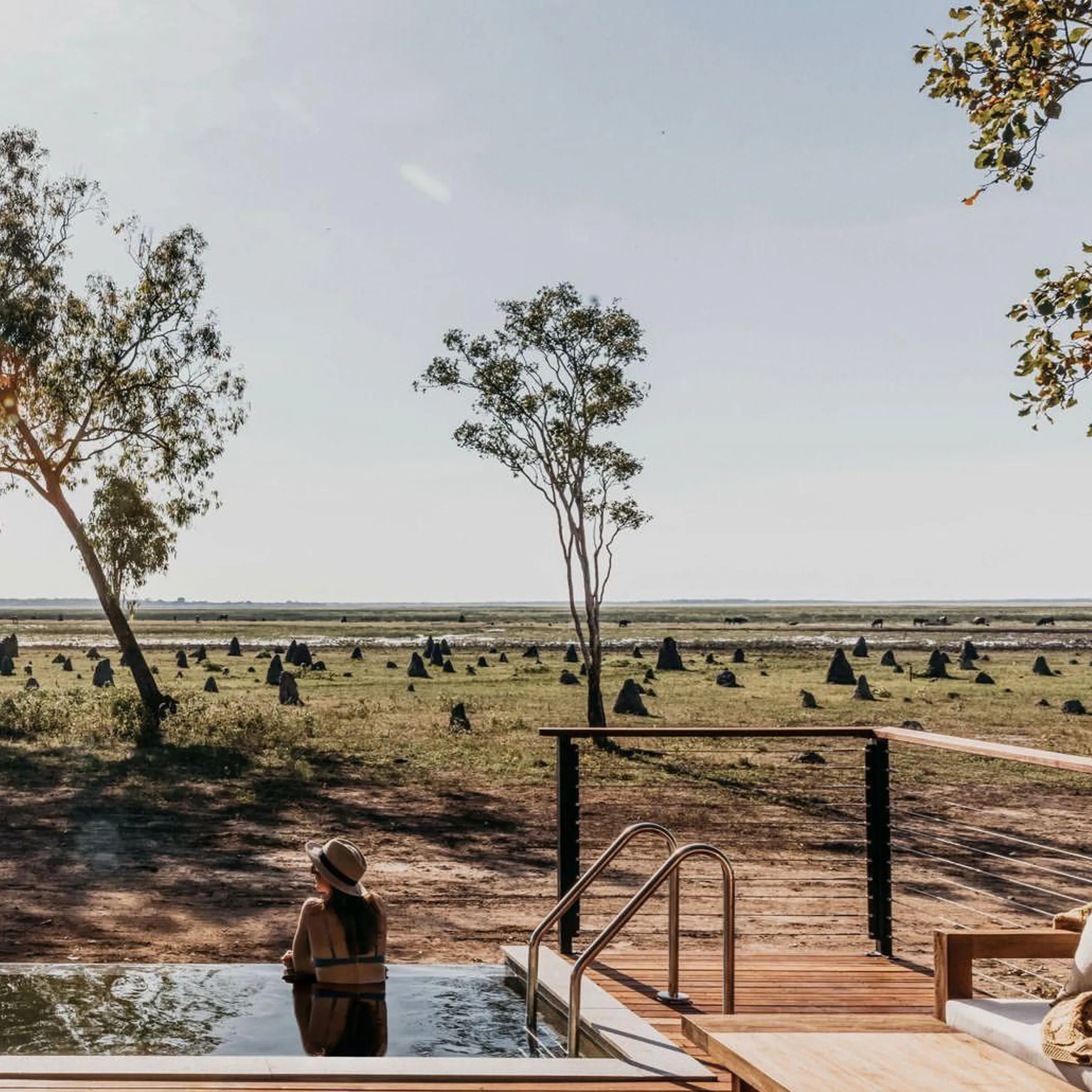
In Australia what you wear is dictated by activity, not fashion. A neat appearance is to be had in the cities, yet one would do well to have shoes that can stand up to a bit of uneven pavement or an impromptu trek to some vantage point. There is no need to make off with five pairs of shoes and the attendant excess baggage fees for them.
For the most part, walking shoes are fine for urban sightseeing and any short, well-kept tracks. When the terrain is rougher or you are in for a few hours on foot, hiking boots are called for, provided they are broken in; there is nothing like a new pair of boots and a long walk to get on each other’s nerves. I was made aware of this by some coastal visitors under my guidance who put their blisters down to the track.
Shoes should be suited to the route
In resort country and beach towns, sandals with a good strap are preferable to loose thongs. Check with the operator as reef boats will want you in enclosed footwear or will put out safety gear of their own. As for national parks, see if the going is sandy, rocky or muddy before you opt for walking shoes over a boot.
Have a dry pair of socks in your day pack. It seems a mundane thing until you are three hours from the car park and a storm has seen to your shoes. Waterproof models are not infallible, water has a way of getting over the ankle in wet weather, so gaiters or an extra sock will serve you better than costlier options.
Tropical Queensland
To pack for tropical Australia is to make ready for the sun, the heat and humidity, and rain that comes on quickly. You will find lightweight clothes, swimwear and something to shield you from the sun in Brisbane, Cairns, Townsville and the Whitsundays, even if they are worlds apart.
Optimism and a towel will not do at the Great Barrier Reef. Put in your reef-safe sunscreen, a rash vest of the long-sleeved variety, sunglasses with a strap to hold them on, a dry bag for your things and of course your swimsuit. The operators will put masks and snorkels at your disposal and the like, but it is best to verify what is included prior to travelling.
The Wet Season
Rain does not dally in the wet season. A flimsy poncho will only tangle with every branch you come to, a compact rain jacket is better. Take quick-dry garments and a waterproof pouch for the phone. Insect and mosquito repellent are a must near the wetlands, creeks and your tropical lodging.
From November to April cyclone warnings may impact travel in the north, though it depends on the season and where you are. Heed the official word. Do not make an issue of a flooded road; the depth is deceiving and the current will move a vehicle, not to mention road closures that can cut off your return.
One day in Cairns calls for putting first the activity least likely to be thwarted by the weather. Transfers aside, a trip to the reef is a full-day affair and an early one. Rough seas might make a city or rainforest plan more to your liking. Those subject to seasickness would be wise to have some medication and a light meal before setting off.
Sydney and Melbourne
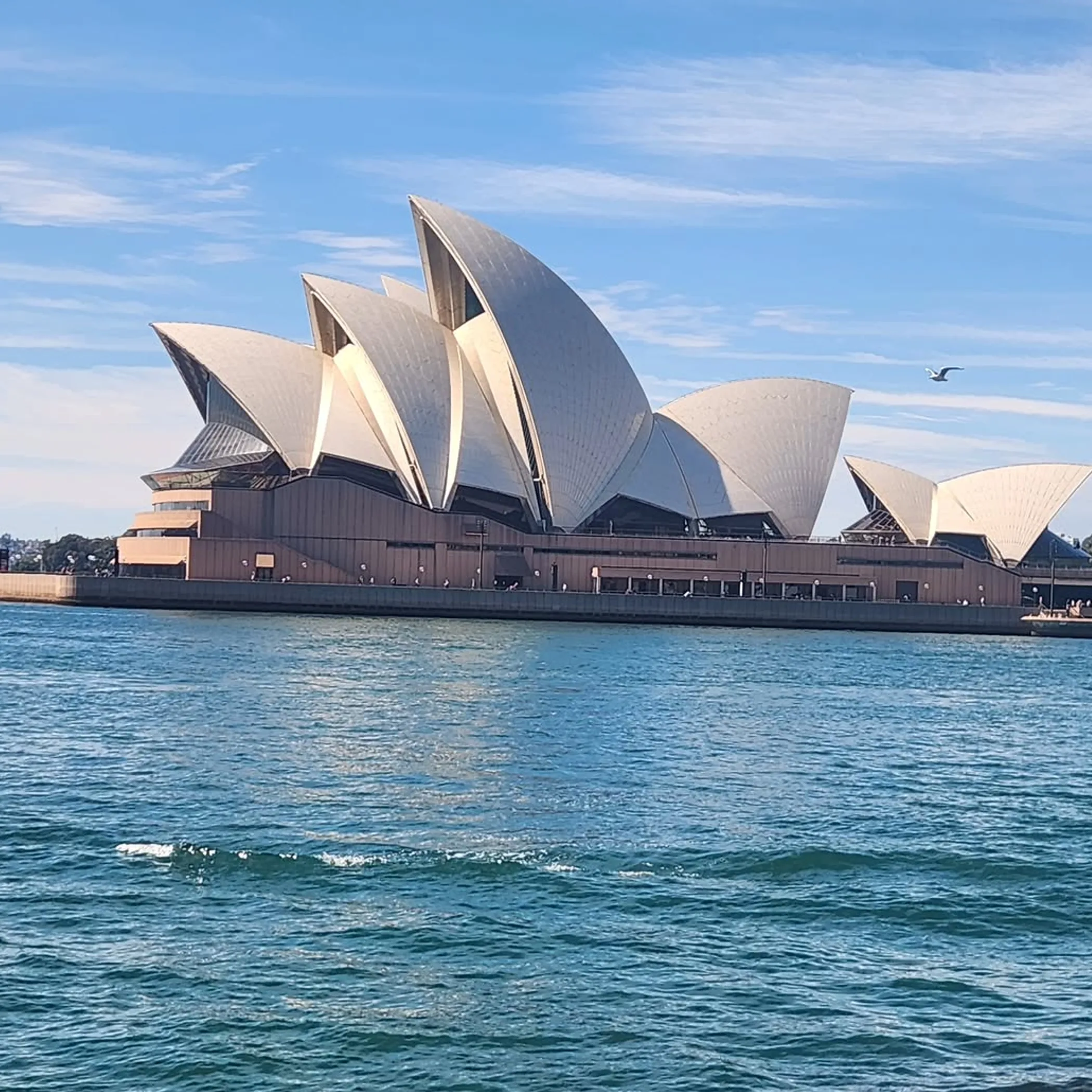
These two cities are amenable to a smaller, smarter bag. Pack layers for the waterfront, evening dining, museums and public transport, a presentable outfit and comfortable walking shoes and a light day pack. Sydney has a way of feeling warmer when the sun is on you, Melbourne will be cool and wet on a whim.
If you are heading to the harbour pools or a beach in Sydney then take your swimwear, but a light jumper is in order for the evening ferry. In Melbourne a rain jacket and umbrella are handy enough, unless the wind makes them a nuisance; a thin fleece or scarf is worth the room it takes up.
Logistics and costs in the city
There is little point in contending with the expense and hassle of parking when public transport will get you round the centre. Should you put in for a car, enquire as to the hotel’s parking on arrival. Traffic and roadworks can put in more time than you think on an urban drive, so build in some margin for the airport run.
By way of a guide, expect to put out AUD 25-45 a day for transport and unpretentious meals if you are on a budget, mid-range travellers will be looking at AUD 70-150 plus, all before you are housed. It is a matter of the city and when you book. And carry a water bottle you can use again; otherwise you are left with the rubbish and the bill.
The Outback
You have to show some respect for the distances and the lack of services when packing for the Outback. The Red Centre and places like Uluru and Alice Springs present hot surfaces and exposed walks with no shade to be had. Long, light clothing, a hat with a wide brim, sunglasses and high-factor protection are de rigueur.
For a walk, put in more water than you might deem necessary and heed the park’s recommendations on what to take. Electrolytes are of use when you have been sweating hard, yet they are no substitute for water or good timing. Make an early start and steer clear of the day’s heat; if you are venturing beyond where most visitors go, let someone know your plans.
Road Trips And Remote Access
An Australia road trip calls for a packing list with offline navigation, a paper map, first-aid supplies, some spare food and water, a power bank and the like. The Stuart Highway is not a place for impatience when overtaking, as the road trains have ample space to themselves. Should you wish to look at the view, pull in fully; the shoulder is no place to do so with half your vehicle on it.
One must plan with care for remote routes like the Gibb River Road and have the right vehicle and up to date information. Rain will alter conditions and there are roads an ordinary two-wheel-drive cannot handle. Before you are past the last service point you can rely on, see to your permits, any Aboriginal land access rules, return routes and fuel.
The unprepared beginner is not well suited to certain Outback pursuits. With only a day to spare, stick to the visitor facilities and a marked walk that is within your fitness. A detour to the back of beyond is hardly worth it if a flat tyre or running out of fuel means an expensive recovery.
Cover Western Australia
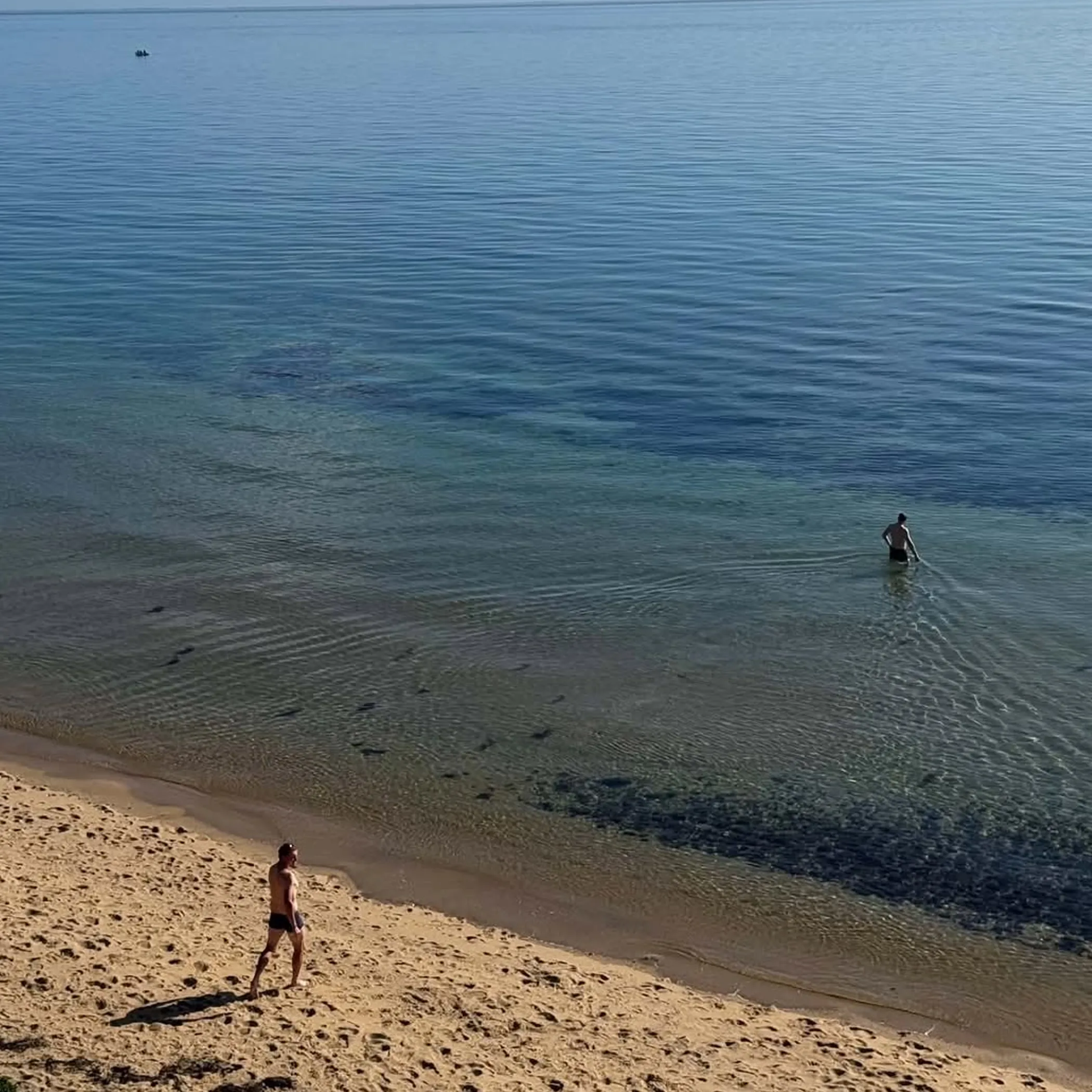
You will want city wear, something for the coast and practical walking attire for Perth and the southwest. The latter can be cooler come evening for an outdoor meal, even if the daytime forecast in Perth is hot and dry. Do not forget a light jumper.
Up in the Pilbara and Kimberley you need to be more diligent with water, have sturdy shoes and better sun protection. A long-sleeved shirt spares one from having to put sunscreen on exposed arms all the time. Put insect repellent in for the evening and make sure your accommodation is fitted with screens or air conditioning.
Plan For Long Distances
Western Australia is big enough to deceive you; what is short on the map can be hours of driving with little in the way of services. Be realistic in how you stage a journey and put fuel in before the tank is empty. Do not drive at dawn or dusk with the wildlife about.
I made the mistake of packing for the warm days and not the cold of the morning on my first crossing of the Gibb in May. I would have done better with a fleece and beanie and some proper socks than another pair of shorts. And with roads that are rough as guts, corrugated and dusty, padded bags are a necessity for your electronics.
Pack For Tasmania’s Weather
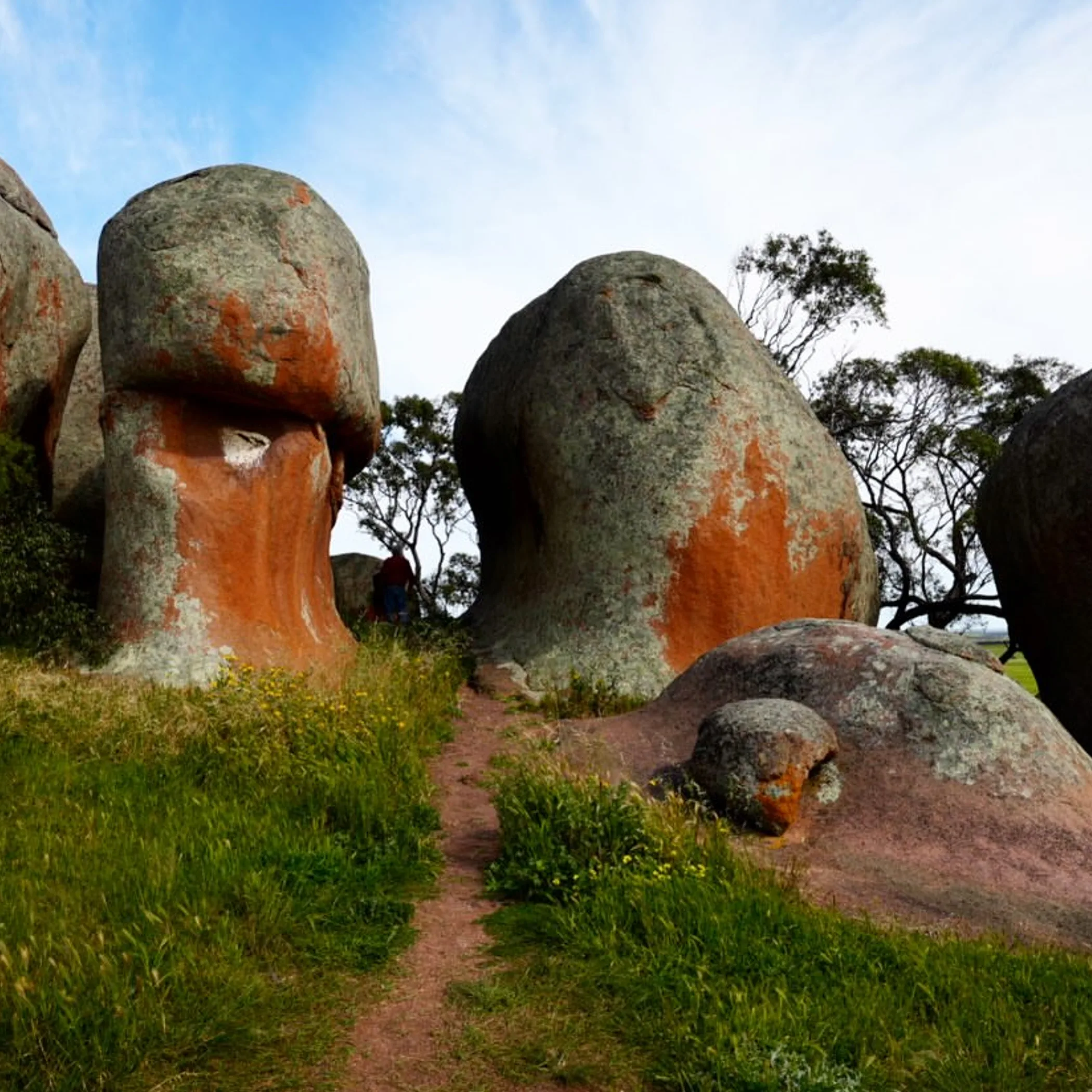
Tasmania is all about the wind, rain and the quick change in conditions. You will not find the same weather in Hobart or Launceston as in the central highlands or on the east coast. A cold front in the warmer months will leave you wretched at a lookout without your rain jacket.
Take waterproofs, warm layers and shoes with some grip, hiking boots for the longer walks and dry socks. The tracks here range from alpine terrain to a simple boardwalk, so do not be swayed by a photograph, check the surface and the distance and when you will be back.
Driving And Walking Times
A mapping app will not account for wet or winding roads and the wildlife that shares them, so give yourself more time. It is not the same as a straight run on the highway. Popular walks will have their parking taken up by weekenders and during school holidays, so be there with time to show.
In my experience it is best to pack a layer more than you think you need and allow for some bakery items after checking the forecast. In Tasmania a wet-weather plan can be as good as any other, as long as your socks do not get soaked.
Seasonal Timing
To decide what goes in the bag it is useful to know the right time of year for each part of the country. The north is usually put in the diary for the dry season, spring and autumn being more agreeable for a walk in the south. Then there is the question of summer with its storms and bushfire risk, not to mention access issues, so you are better off with regional advice than a national forecast.
The table is for guidance, not a guarantee. Conditions are different every year and the holidays bring crowds to the usual haunts. A word to the wise is to check the park alerts and any warnings on the weather and the roads before you set out.
| Area | What To Expect | A Comfortable Planning Window |
|---|---|---|
| Great Barrier Reef / Tropical Queensland | Dry season is the norm. Anticipate lower humidity, warm weather and a good deal of tour traffic. | |
| Sydney / Melbourne | Spring or autumn will give you milder days. Be prepared for some change in the weather and make use of layers. | |
| Uluru / The Red Centre | The cooler months are best for any walking. You will have cold to contend with in the morning, but strong sun and warmth by day. | |
| Perth / Southwest WA | Opt for spring, autumn or a mild summer. Long drives, dry heat and a coastal wind are to be had. | |
| Tasmania | Summer affords longer walks; winter is for more sedate travel. There will be cold fronts and rain, not to mention short daylight hours in winter. |
Australia Packing Checklist
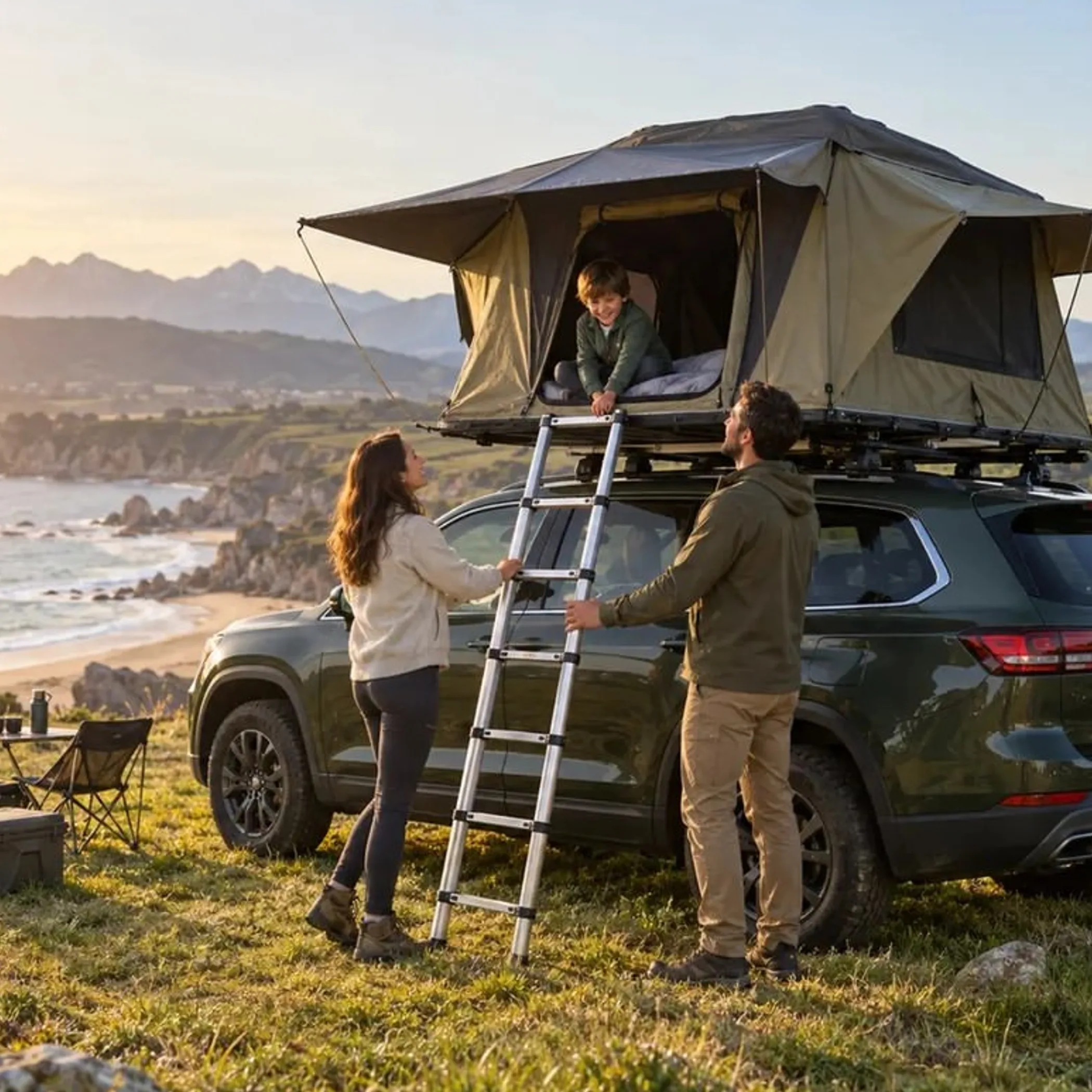
Do not put your bag away without going over the itinerary in detail. One may need to be adaptable when covering five regions but there is no call for lugging everything one owns. Go for items with dual purpose: a rash vest that will protect you from the sun on the beach as well as the reef, hiking trousers for an extended drive, a fleece for an early start.
- See what the forecast has in store for each region in terms of temperature, alerts and access.
- Your packing should include breathable and warm layers, a rain jacket and the means of sun protection.
- Walking shoes or boots are dictated by how demanding the activity is.
- Make room for swimwear, quick-dry attire, insect and mosquito repellent and sunscreen that is reef-safe.
- A first-aid kit, medicines, chargers, offline maps and a reusable bottle for water are also in order.
- On a road trip you will want to have paper maps, do your tyre checks and plan for fuel, food and extra water.
- On travel days have a spare set of clothes at hand and space to let anything wet air out.
Australia Packing Questions Answered
Travellers are apt to be concerned because they view Australia as a single destination with uniform weather. Here are answers to the sort of questions that tend to trip people up, be it about Outback footwear or summer wear.
What Should I Pack For A Trip To Australia?
For the most part you will want a reusable water bottle, personal medicines, swimwear, sun protection, walking shoes, a rain jacket and a warm jumper along with your everyday and layered clothing. If national parks or remote driving is on the agenda, add hiking boots and more water. Any generic list for Australia does not hold a candle to what your season and route require.
What Clothes To Take In Summer?
Breathable material is key. Bring shorts, a loose shirt, some lightweight long trousers and a hat with a wide brim. A light layer is handy for cool evenings or air conditioning. Up north you are at the mercy of dry-season heat or the humidity of the wet season; in the south expect wind and rain even in summer.
In The Australian Outback?
Long sleeves and trousers of a pale, breathable fabric, sunglasses, a wide-brim hat and something sturdy on your feet. Do not count on sandals for a rocky track and remember to have a warm layer for the hours around Uluru.
For The Great Barrier Reef?
You will need a towel (unless the operator puts one on) and a dry bag as well as your swimwear, sunglasses and a rash vest. Reef-safe sunscreen is a must. Have some seasickness tablets if necessary. It is worth looking at the tour particulars as masks, stinger gear and the like may come at an extra cost or be provided.
Is There A Need For Warm Clothes?
Any time you are in alpine country, Melbourne or Tasmania, or starting early, or travelling in winter, yes. A compact jumper or fleece will see you through the cool after a rain or in a stiff breeze and save you a shopping expedition.
Best Shoes For Australia?
Walking shoes are fine for the cities and easy tracks, but put on the hiking boots for anything steep or protracted. Sandals are for the beach and warmer climes. Make sure new footwear is broken in and have some spare socks for when things get damp.
Packing For Winter?
Long trousers, enclosed shoes, a rain jacket and a jumper or fleece. In northern Australia it can still be warm so do not go overboard with a heavy wardrobe; check the region. For the inland or a Tasmanian morning you may want a beanie and gloves.
Dealing With Different Climates
Think of a capsule wardrobe: a waterproof outer, insulating mid-layer and base. Some quick-dry pieces, one pair of walking shoes and whatever you need for the activity at hand. Put your remote-trip essentials like first aid and water in a separate bag from the city one for easy access.
Pack Light, Prepare Properly
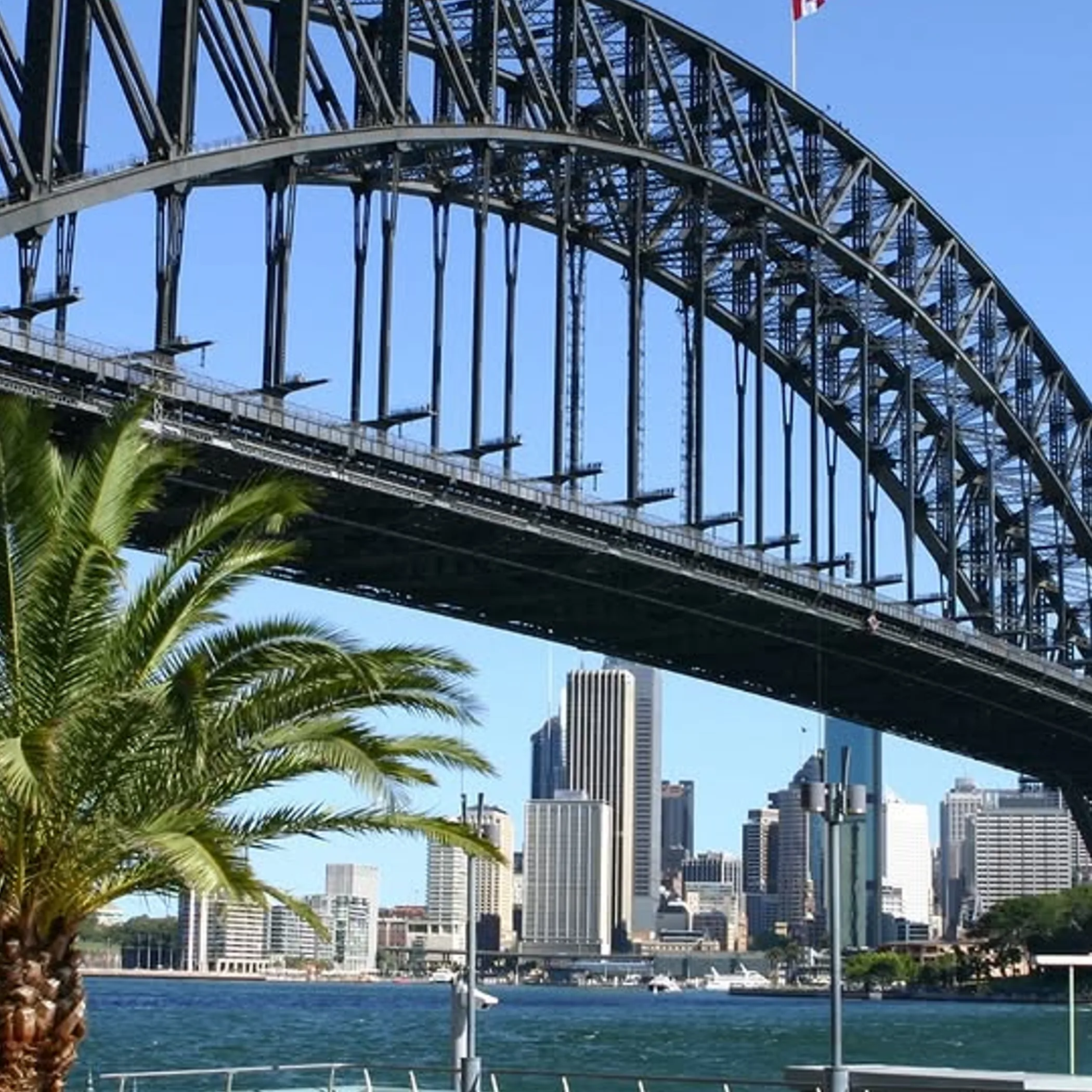
Length is not what makes a good packing list for Australia. It is one that is suited to the distance, your fitness and how you stand having wet socks. Have the right layers, water and footwear and you are set.
Travellers in Australia are well served by a certain flexibility. One puts in an allowance for the odd alteration: a storm to put paid to plans on the reef, or a road that is more of a time consumer than one would think, an evening that turns out cool despite what the forecast had in mind. Then pack accordingly for such everyday surprises and have the better part of the day to savour the bush or the coast and the track, and when you are done, the bakery at the end of it.
