Niche Cuisine Trends Australia are no longer confined to the margins of a menu; they have taken centre stage. You will find restaurants here putting their own stamp on fusion, serving up street food, plant-based options and fermented fare alongside native Australian produce and what can only be called regional specialities.
Joel Whitlam here. I have been known to structure my day on the certainty of a good walk and a place to put in a decent meal after. Lately though, the latter requires more than a quick inquiry as to where the bakery is. The modern diner is asking where an ingredient is from, what community is behind the dish and if there is anything on the menu that does not amount to chicken, chips and a sprig of parsley for show.
In this guide we set out the trends that are having an effect on menus across Melbourne, Sydney, Brisbane, Perth and Adelaide and some of the ways to go about them, including city laneway food scenes. We also consider how a restaurant might make a response without resorting to making every plate a marketing ploy.
A Change of Pace on Menus
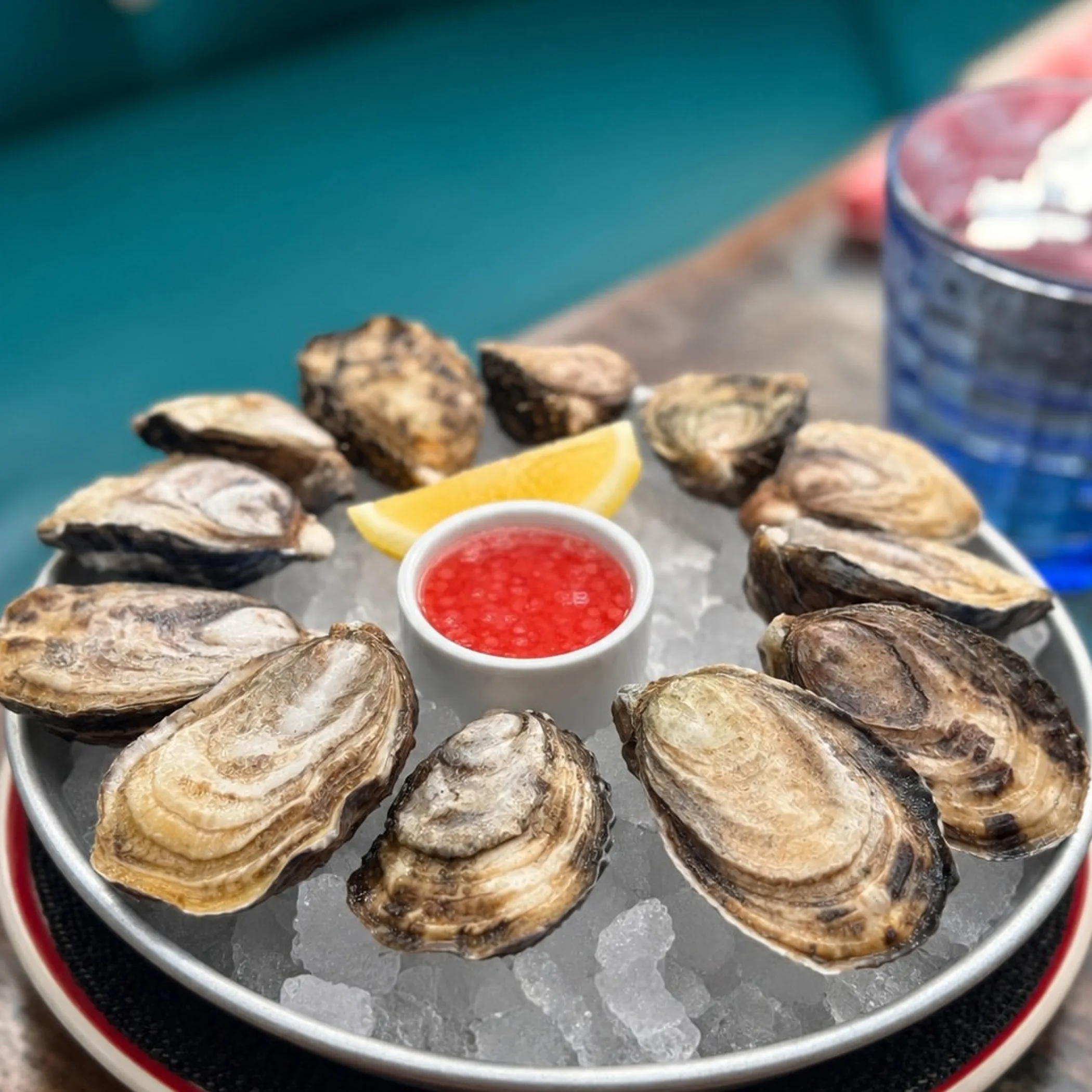
What you see in the way of strong cuisine trends is a mix of flexibility, local sourcing and authenticity. Diners want a certain point of view from their food but do not forgo sensible pricing or the option of something other than the norm for the one at the table who finds coriander to have the flavour of lawn clippings.
There is an overlap to things now. One might come across a restaurant with a niche as its point of departure, not its whole raison d’etre, and be served small plates made in a low-waste manner, or traditional European methods applied to native ingredients, or perhaps some regional Indonesian with Australian seafood.
Trends Worth Noting
Fermentation and preserved foods are in vogue on menus as much as vegetable-led cooking and such native ingredients as wattleseed, saltbush, finger lime and lemon myrtle. There is a story to be told with international cuisines and diners are taking note.
Innovation has a practical side to it. To keep costs and waste down chefs will turn to preservation and less popular cuts of meat. It makes for fine eating, though one is apt to raise an eyebrow at talk of “zero waste” when the takeaway box looks like a cardboard house.
The Appeal of the Niche
Curiosity is part of it. An Australian diner is more connected and will spend in a selective fashion. They may be economical in the kitchen during the week but put money down for a chef-led experience on the weekend. Then there are the food communities; a word from a friend or time at a market will open up a cuisine they would not have sought out otherwise.
More Than What Is on the Plate
The full measure of a restaurant is what is being judged these days. How the staff are treated, if seasonal produce is put to use, can they field a question on allergens or give some background on a regional speciality? All of it is noticed. Yet a good host will provide the context for an order and let the food speak for itself, rather than put one through a lecture.
You can see why the industry keeps an eye on these matters in the official reporting. The Australian Bureau of Statistics has figures on food services activity in its Australian industry statistics. But with rents, tourism and labour costs in flux the numbers are a pattern to be read, not a guarantee.
Regional Flavours
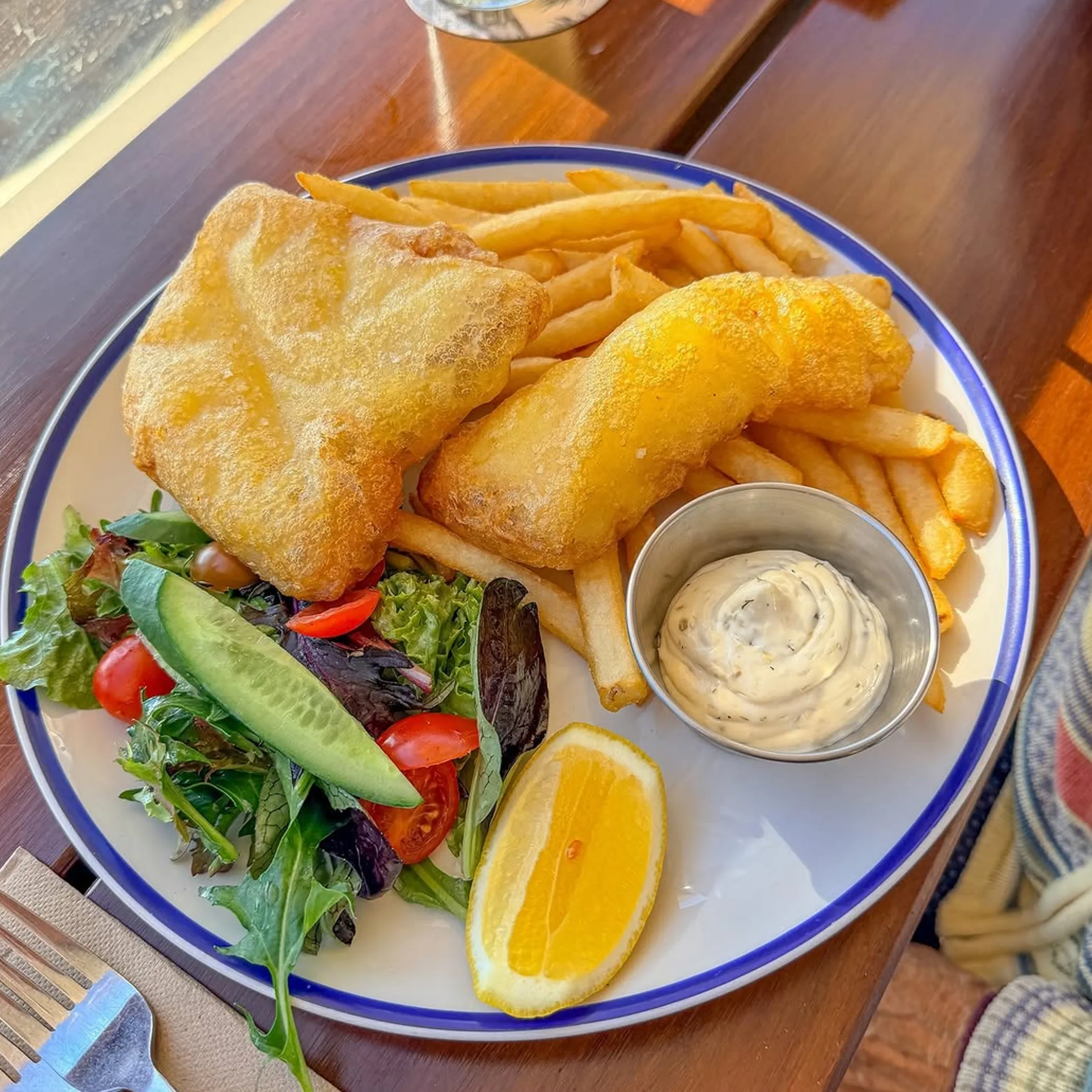
Australia is seeing a trend for more defined regional cooking. A broad “Mediterranean” or “Asian” heading will not do when the menu can lay out the tradition or method. This is to the advantage of a restaurant that sources with care and has the cultural knowledge to back it up. There is an onus not to appropriate a technique or name without due respect for where it came from.
Detail Beats Generality
Detail is where the value lies. Be it a Levantine small plate, a particular province in Italy or some Sichuan and southern Thai, the menu can delineate the smoke, heat and sourness without expecting the customer to tell one chilli from another. Some think authenticity is a form of discomfort. It is not. A restaurant can be honest in its cooking and still be of service with the ordering.
For the diner, it is as simple as putting a question to the staff: “What is the best way to be introduced to your menu?” There is a better way to go about it than to put three dishes on the table and hope for the best.
Native Ingredients in Their Element
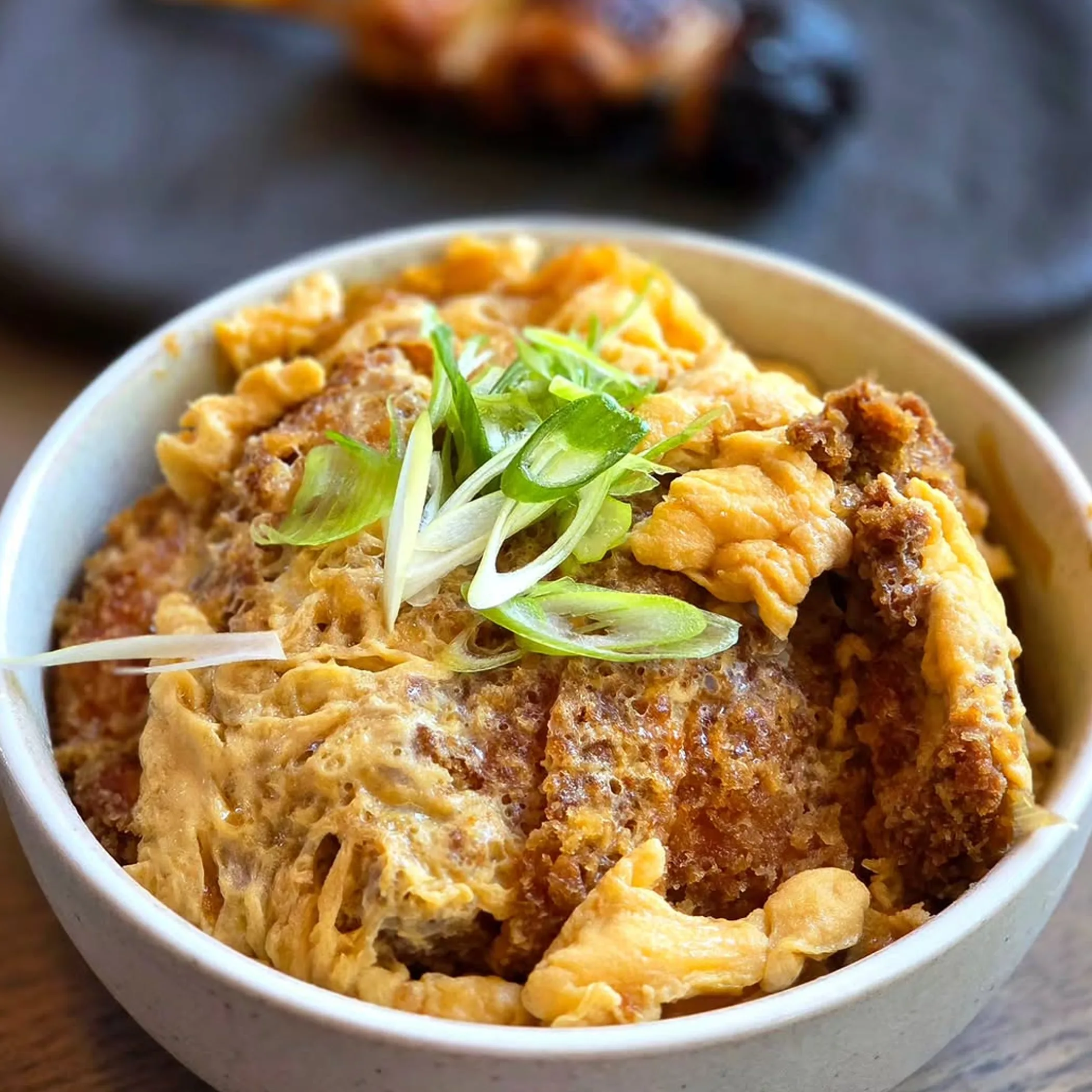
You will see native Australian ingredients on modern menus, but they are at their best when there is a sound culinary purpose behind them. A touch of lemon myrtle for its citrus note, wattleseed to impart a roasted quality or finger lime for some sharp acidity.
It is not a matter of being unacquainted with these things, more one of tokenism. One does not make a meal memorable by means of an ordinary dish with a native ingredient sprinkled on top.
Respect And Practicality
Where it is fitting, a restaurant will set out the provenance and part played by its native ingredients. They should be wary of making Indigenous food knowledge into some decorative fad that has no connection with Country or cultural authority.
And diners have to put up with some variability. Weather or season can limit what is on offer; in the Top End during the wet season or when northern Australia is in the dry, or elsewhere under the threat of bushfire, a menu will reflect that.
In visitor services I made the acquaintance of the fact that people value a frank word about conditions over any assurance that all will be well. The principle is the same with food: if it is seasonal, then say so.
Plant-Based And Fermented
Australian restaurants are not content with a few substitutions for their plant-based dining. Vegetables that have been properly prepared, legumes, grains, sea vegetables and mushrooms figure as the main event rather than a side order.
Then there is the growing presence of fermented fare. With kimchi, miso, koji, sourdough, pickles and the like one can get salt, umami and depth from acidity without having to lay on the seasoning.
What Is Expected And What Is There
Expectation: plant-based means small portions and pricey meat imitations.
Reality: a good plate of it can be very filling and make do with common produce, time and technique being the order of the day.
Expectation: fermented food is healthy for all.
Reality: there is a wide range in allergen risk and alcohol or salt content. Those with dietary requirements or who are pregnant would do well to ask questions and not trust to the menu.
Cooking With Less Waste
Sustainable practice is evident in the portion sizes, the root-to-leaf and nose-to-tail preparations and preserved items. Transport, packaging and the energy demands of equipment are factors too. But a local item is not per se low-impact and even a plant-based offering can be marred by wasteful supply chain habits. It is better to be open about the choices made and not put forward claims you cannot back up.
The Influence of Social Media
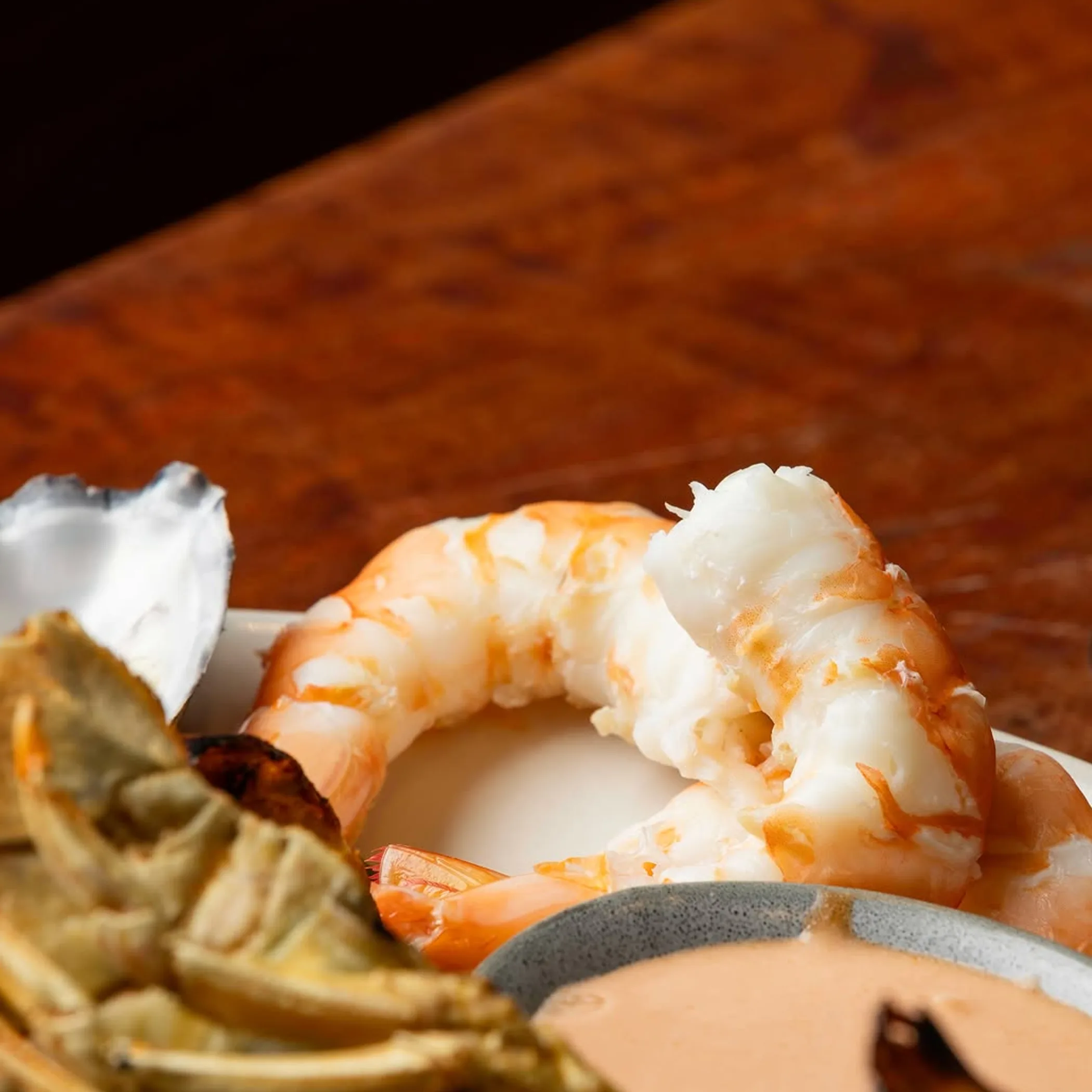
In Australia social media is how unique cuisines are discovered these days. Put a visually arresting dish in front of the right food community and a restaurant will be full. For a small operator the attention is welcome, yet it puts strain on the kitchen and service. Regulars may be left to wonder why getting a table of late calls for the patience of a pilgrim.
Food Communities
A viral video will not give you the context that a local market or independent reviewer can, nor tell you which dishes are a restaurant’s forte. Online interest ought to be seen as an opportunity for relationship building. Accurate photographs and straightforward service will in the end beat a gimmick.
Trends in the Cities
Every major city has a different rhythm. Melbourne will put inventive fusion and market produce before the curious in its chef-led haunts. Sydney is quick to change and has excellent seafood and neighbourhood dining to show for its migration communities.
The climate in Brisbane lends itself to small plates and tropical produce outdoors. Perth’s remove from the east means a closer tie to Western Australian produce. And Adelaide has its wine and regional connections to draw on.
| City | Strongest Opportunity | A practical tip |
|---|---|---|
| Melbourne | Regional cuisines, food markets and chef-led restaurants | Trams and walking are best between venues, factor in the queues |
| Sydney | Neighbourhood dining, seafood and the like | Book ahead in the busy areas and check transport |
| Brisbane | Casual small plates and outdoor dining | Make allowance for the heat and lack of shade |
| Perth | Independent operators and Western Australian produce | Distances can be deceiving, group your venues |
| Adelaide | Seasonal menus, dining with a focus on wine and produce from the region | For those putting in the hours at tastings, have a designated driver or make use of public transport |
Such are the general tendencies, though one would be hard pressed to call them rules. A good neighbourhood restaurant will put the lie to them in no time, and that is part of the enjoyment.
The Appeal of Laneways
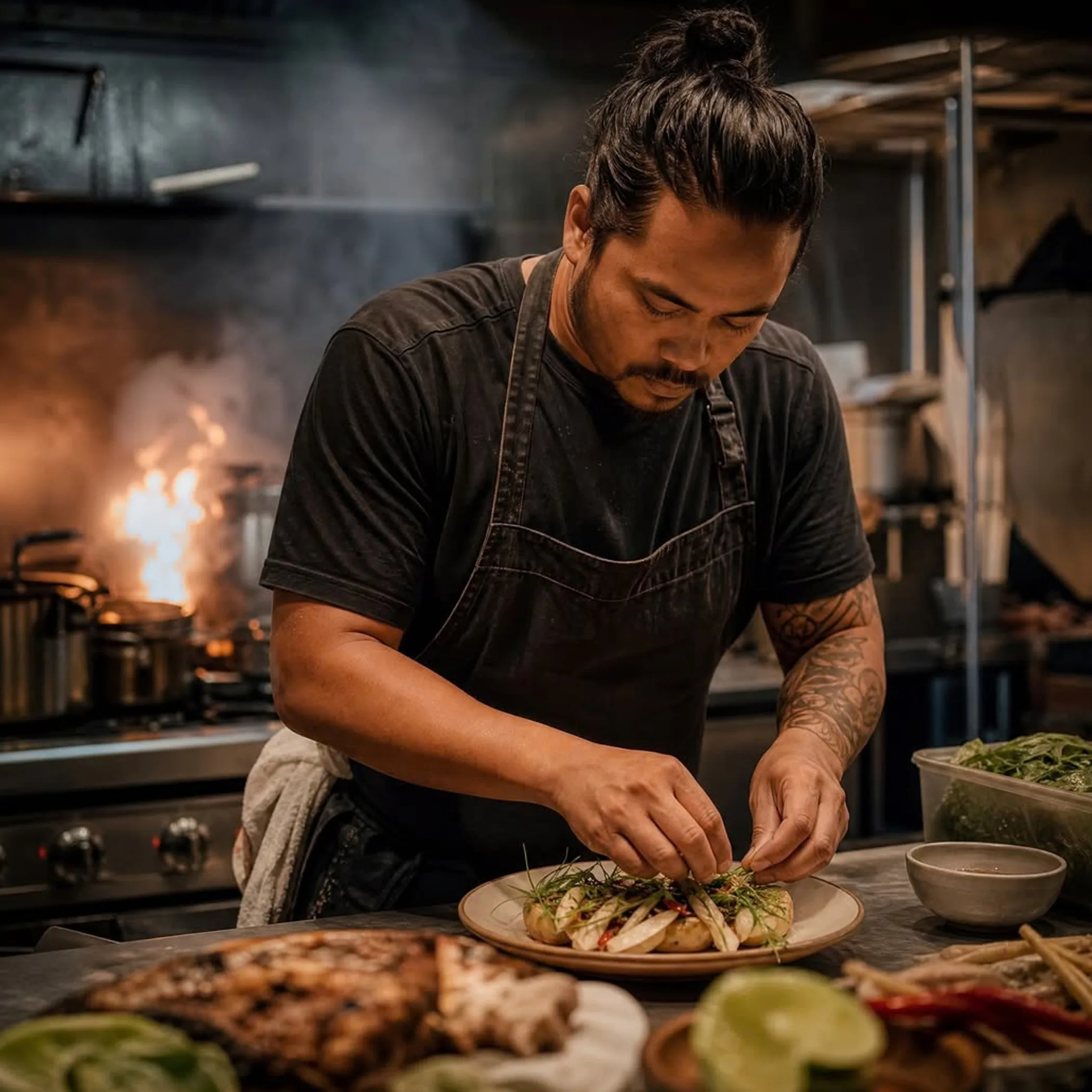
A city laneway is an ideal place for a niche restaurant to put down roots. You do not need a dining room of epic proportions or a menu the length of the Stuart Highway to have a strong sense of place; a small space can be enough to foster a focused menu and some limited seating.
There is also a certain fluidity to the laneway scene. Diners will put in an order for a couple of plates, then make their way to a bar or dessert counter for coffee. It is well suited to what is popular in Australia now since it takes the risk out of trying something new; if there are a number of options on the table, an odd dish is not such a big ask.
A Plan for Your Food Crawl
Make the most of a single day by picking a precinct and going after the meal you could not easily get elsewhere. Have lunch or an early dinner booked in and work in a stop at a bakery, market or for dessert. Factor in 30 minutes or so between venues for the queues and a bit of conversation, or to put right a wrong turn.
- Do your homework on opening times, dietary matters and booking requirements ahead of time.
- In places where parking is at a premium, take the train, tram or bus.
- And in Brisbane or when it is hot, have some water with you.
- As for budget, allow between AUD 60 and 150 a head, drinks and the like included.
- Before you put in an order for another round, think of how you will get back.
The mistake people make is to turn it into a race. Six hasty stops are no match for three done properly. At peak times a laneway can be as crowded as a sardine tin and if it is wet you may find yourself having a damp tussle with your shoes over a short walk.
Making Adjustments

Restaurants that want to keep up with their diners must be clear about things. Put portion sizes beyond doubt, note any allergens or spiciness and let customers know what the cuisine is. No glossary is required but they should be able to order without any stage fright.
Then there is the matter of trends. A guest chef night or a stint at a market stall will tell an operator what the demand is before he has to put his name to a permanent change.
A Checklist
To put themselves in a better light restaurants should ask if a new idea has some substance and a supply chain to back it up. One might as well put aside whether a dish is photogenic and consider:
- And does the menu show proper regard for the community or cuisine it is drawn from?
- Can the staff give a straight answer as to how something is made and of what?
- Is the price commensurate with the effort, the sourcing and the size of the portion?
- Will the kitchen hold its quality under pressure?
- Does the concept fit in with the area and the means of getting there?
- Are the sustainability claims credible?
Some operators are better off not following every trend. A restaurant in the suburbs would be wise to have a fine seasonal vegetable or a fermented sauce to offer rather than upend the whole menu. Innovation ought to address a need in the kitchen or for the customer, not just to appear of the moment.
Frequently Asked Questions
What is trending?
You will see more of the authentic international and regional, plant-based and fermented foods, as well as native Australian ingredients and the street food format. Fusion still has its place provided the techniques and ingredients are put together with some thought.
Is a niche restaurant bound to be costly?
Not necessarily. There are shared plates, counter service and lunch specials to be had. Of course a chef-led operation with labour intensive prep and small suppliers will set you back more. It depends on the venue and the city. Best to look at the menu before making the trip.
How is authenticity defined?
There is no hard and fast rule. It can be the technique, the cultural knowledge of those cooking, the regional identity or the ingredients. A restaurant can be true to itself and yet accommodate local diners and produce.
Should one assume native ingredients are safe?
Natural and locally sourced does not make an ingredient safe. Enquire as to cross-contamination and how it has been prepared. Restaurants will not be making medical pronouncements on native Australian fare and should be able to give you a clear answer.
Advice for the uninitiated
Find a place with a straightforward menu and staff to hand and put in an order for a few shared plates. Do not go for the hottest thing on offer and pick a selection that is balanced. With a sensible budget and someone to share with you can leave yourself open to a surprise or two. More than sufficient for a Tuesday.
Onwards
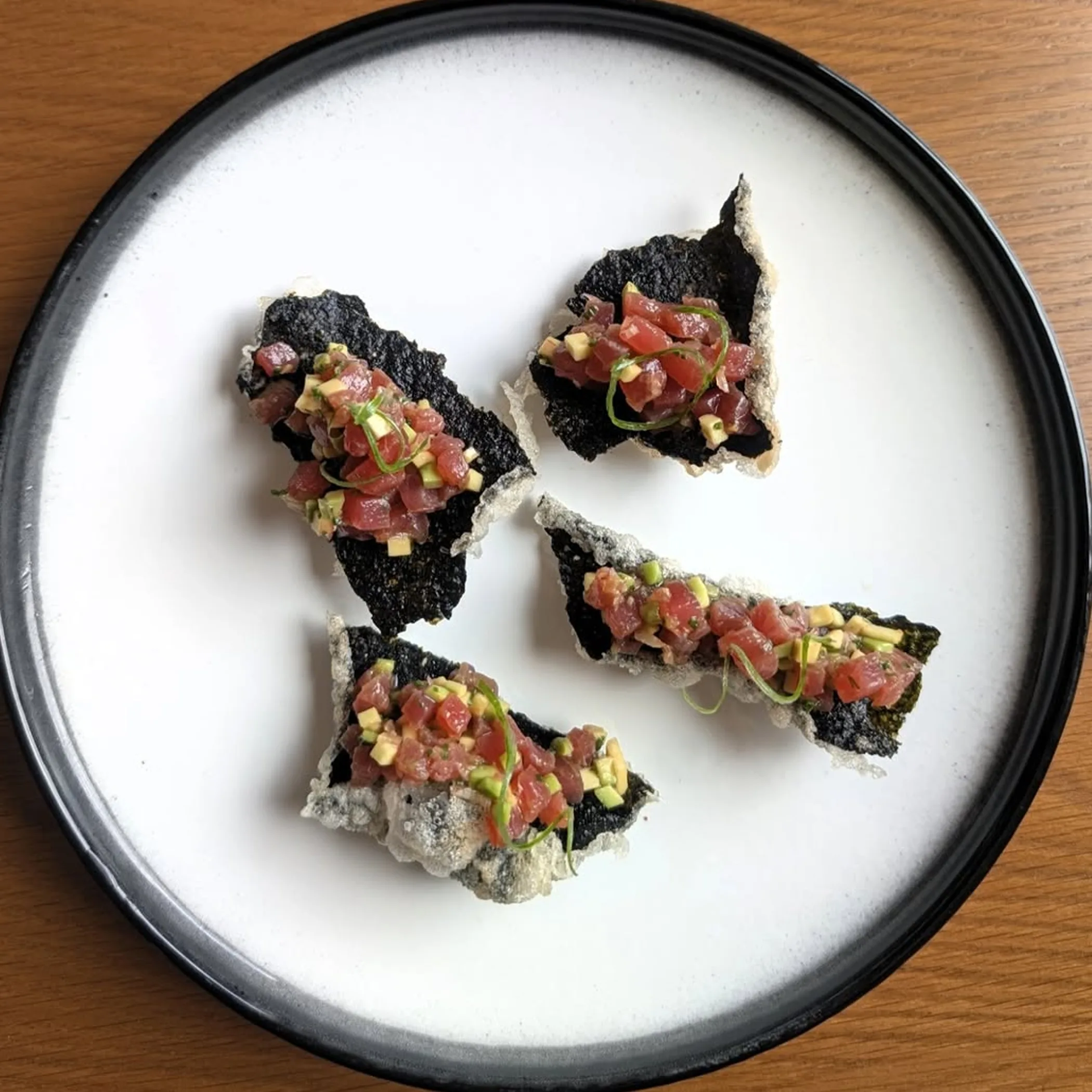
One sees across Australia that the niche is being more local and informed. The best of the country’s restaurants are not after novelty; they put you in touch with what is in season and the specialities of the region.
For the diner it is a case of being open to it, asking the right questions and not rushing. For the restaurant side of things, respect and consistency will count for more than whatever is the latest viral sensation. When the phone is face down and there is no one to film it, a good meal is a good meal.
